

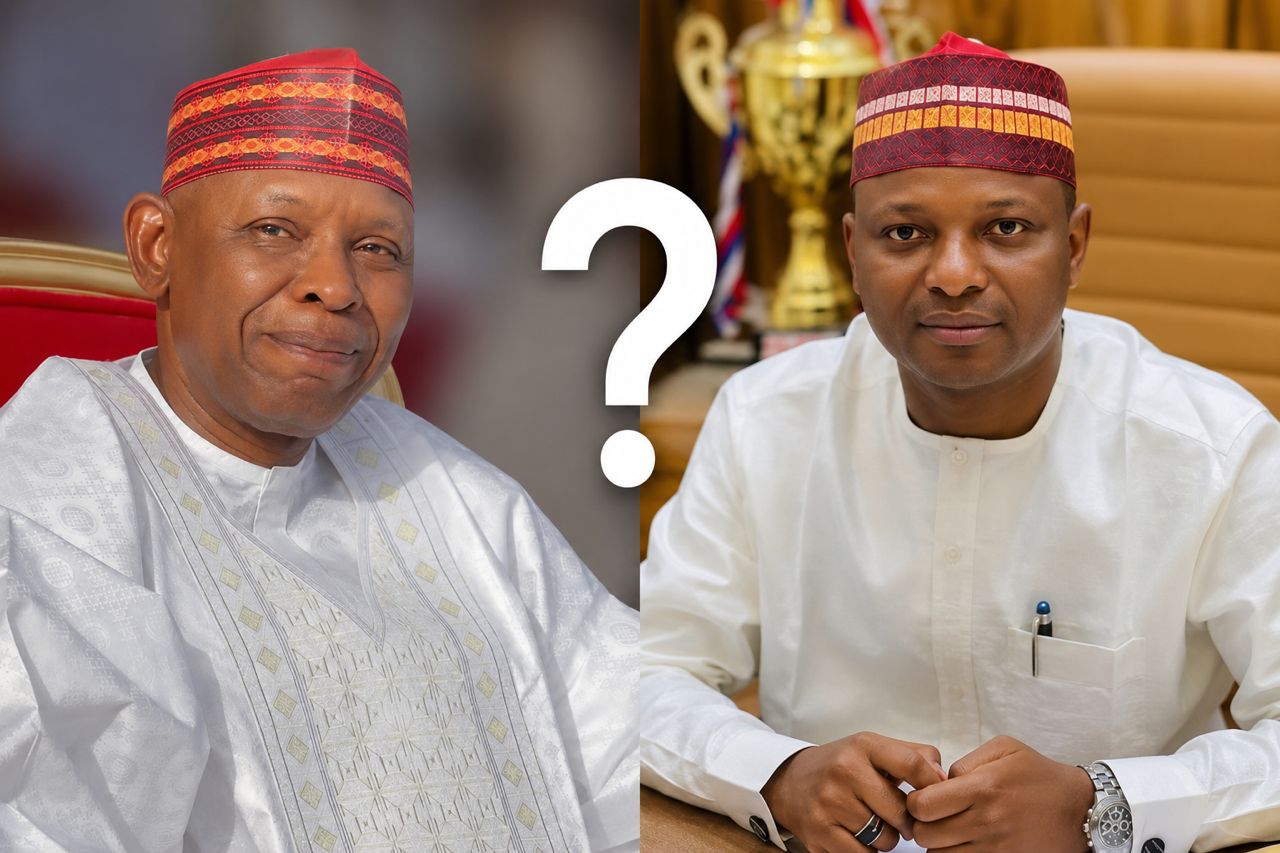
…Any comparison between Abba and Mustapha?
By Munir Ibrahim Publisher
Political movements derive their strength not only from the popularity of their leaders but also from the confidence their followers place in the principles of fairness, merit, and inclusiveness. Whenever political decisions appear to depart from these principles, debate becomes inevitable.
The recent emergence of Mustapha Rabiu Musa Kwankwaso as the running mate to Comrade Aminu Abdussalam Gwarzo under the NDC platform has generated considerable discussion among members of the Kwankwasiyya movement and the wider Kano political community. While every political leader reserves the right to support candidates of choice, the selection has raised questions about merit, experience, and the future direction of the movement.
Many observers have drawn comparisons between Mustapha Kwankwaso and Governor Abba Kabir Yusuf. Before becoming governor, Abba Kabir Yusuf spent decades within the public service and political system of Kano State. From serving as a Personal Assistant to holding the office of Commissioner, he accumulated extensive administrative and governance experience. Indeed, Engr. Rabiu Musa Kwankwaso himself had, on several occasions, acknowledged Abba Kabir Yusuf’s significant role in the conception and execution of major projects undertaken during the administration between 2011 and 2015.
Kano first
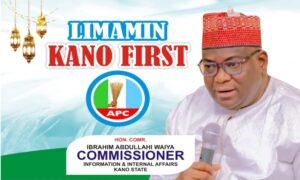
Against this background, critics argue that the credentials that justified Abba Kabir Yusuf’s rise to leadership are not yet evident in the case of Mustapha Kwankwaso. They contend that occupying a position as strategic as Deputy Governor requires demonstrable experience in public administration, policy implementation, and political leadership.
The controversy is not merely about one individual. Rather, it reflects a broader concern among some supporters who fear that loyalty, sacrifice, and years of commitment within the movement may no longer be sufficient pathways to leadership opportunities. As a result, reports of dissatisfaction and withdrawal by some supporters have continued to surface.
At the same time, Governor Abba Kabir Yusuf’s administration continues to attract public attention through various infrastructural and social development projects across Kano State. For many residents, the performance of the current administration remains a significant factor shaping political expectations ahead of the 2027 elections.
Ultimately, political movements endure when leadership decisions inspire confidence among supporters. Whether the current debate strengthens or weakens the Kwankwasiyya movement will depend largely on how its leaders address concerns about merit, fairness, and internal democracy.