

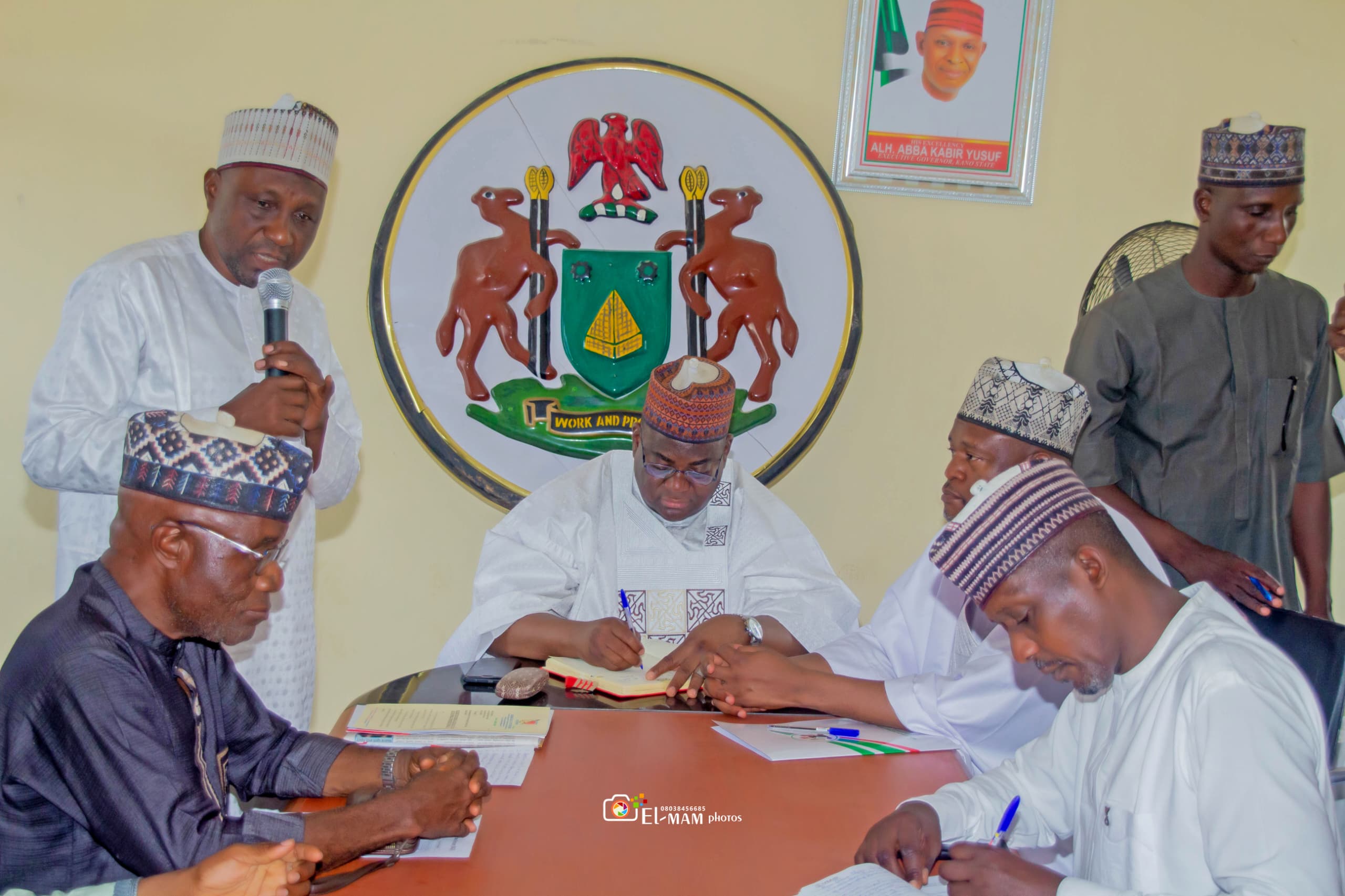
By Mohammed Babagana Abubakar
In contemporary governance, public officials are often evaluated through two competing lenses: visibility and impact. While some political actors dominate headlines through constant public engagement and political maneuvering, others leave their mark through the institutions they strengthen and the policies they help implement. In Kano State, the tenure of the Commissioner for Information and Internal Affairs, Comrade Ibrahim Abdullahi Waiya, offers an interesting case study in the latter approach.
Since the inauguration of Governor Abba Kabir Yusuf’s administration, the Ministry of Information and Internal Affairs has played a central role in shaping public understanding of government policies and programs. Under Waiya’s leadership, the ministry has sought to move beyond the traditional role of government publicity toward a more structured system of public engagement, information dissemination, and community mobilization.
One of the most significant challenges facing any government is maintaining effective communication with citizens. In a state as large and politically active as Kano, misinformation and political speculation can easily overshadow policy discussions. Recognizing this reality, Waiya’s ministry has focused on building communication channels that bring government activities closer to the people.

Through regular public briefings, media engagements, stakeholder consultations, and strategic information campaigns, the ministry has worked to improve public awareness of government initiatives across Kano’s 44 local government areas. Supporters argue that this approach has contributed to greater transparency and has helped bridge the gap between policy makers and ordinary citizens.
Beyond communication, however, the ministry’s influence has extended into broader issues of social stability and community development. This is perhaps most evident in the implementation of the Safe Corridor Initiative, a program designed to address youth vulnerability through rehabilitation, empowerment, and social reintegration.
At a time when many states across Northern Nigeria continue to grapple with security challenges, the Safe Corridor Initiative represents an alternative approach that emphasizes prevention rather than reaction. Instead of focusing solely on enforcement measures, the initiative seeks to address some of the social and economic factors that can push young people toward antisocial behavior and criminal activities.
By creating pathways for engagement, mentorship, and reintegration, the program has contributed to broader efforts aimed at promoting social harmony and reducing the risk of youth involvement in activities that threaten public peace. Observers view the initiative as an example of how non kinetic approaches can complement conventional security strategies in achieving long-term stability.
The ministry has also worked closely with relevant stakeholders in supporting community based security frameworks, including efforts linked to the Kano State Neighbourhood Watch Corps. Such collaborations have strengthened grassroots participation in security awareness and community vigilance, reinforcing the principle that public safety is most effective when government institutions and local communities work together.
Another notable aspect of Waiya’s public service record is his political loyalty and consistency. In an era characterized by shifting alliances and frequent political realignments, he has remained closely aligned with the vision and priorities of Governor Abba Kabir Yusuf’s administration. Supporters contend that this consistency has contributed to administrative stability, enabling key government programs to proceed without unnecessary internal distractions.
Political analysts often emphasize that successful governance depends not only on visionary leadership at the top but also on the effectiveness of those entrusted with implementing policy. In this regard, the relationship between Governor Yusuf and key members of his cabinet reflects the importance of shared objectives and coordinated execution in achieving development goals.
Like every public official, Waiya’s performance will ultimately be judged by the long term impact of the policies and initiatives implemented during his tenure. Nevertheless, the available record suggests a deliberate effort to strengthen public communication, promote youth development, and support community based approaches to peace and security.
As Kano State continues its developmental journey, attention should remain focused on measurable outcomes rather than political distractions. The true test of public service lies not in rhetoric or personal ambition but in the ability to create institutions and programs that positively affect the lives of citizens.
In that regard, the footprints of Comrade Ibrahim Abdullahi Waiya are becoming increasingly visible. While his achievements may not always generate the loudest headlines, their impact on governance, public engagement, and social stability continues to resonate across Kano State. If sustained and expanded, these efforts may well form part of the enduring legacy of the present administration.