

By Mohammed Babagana Abubakar
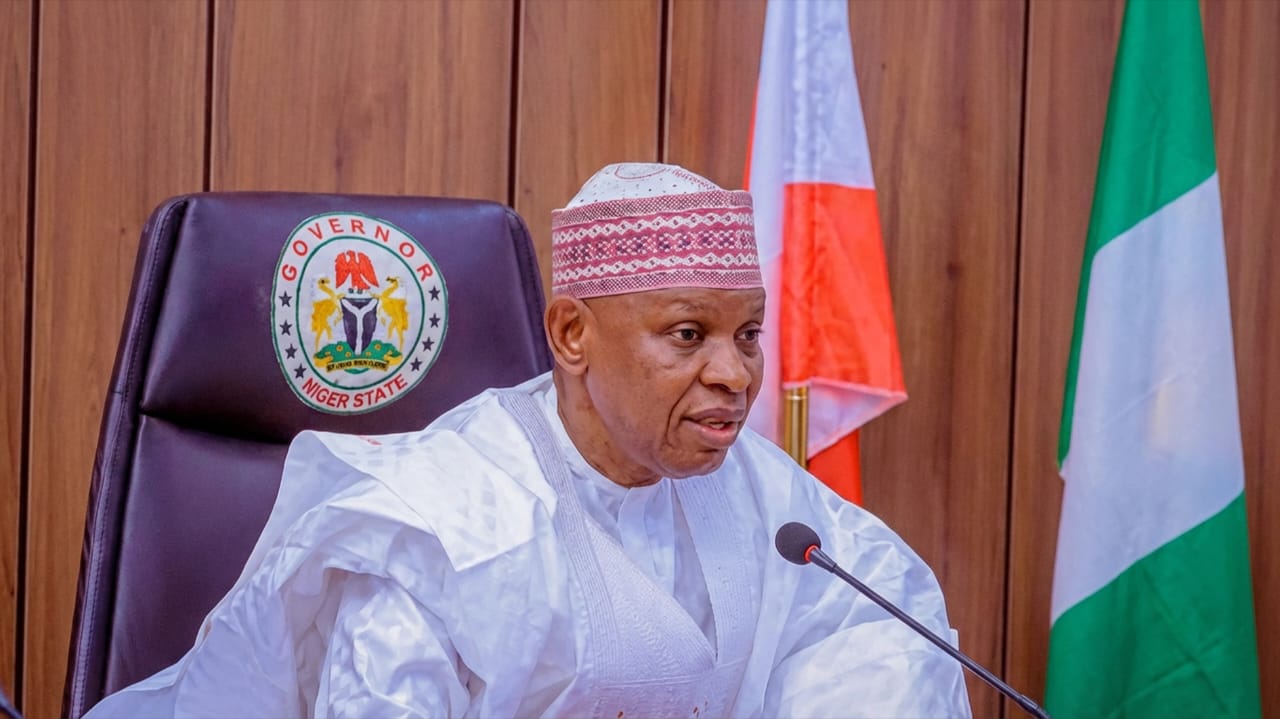
In the often turbulent landscape of Nigerian politics, leadership is frequently measured not by the volume of promises made but by the ability to remain focused on delivering results amidst competing pressures. Political controversies, partisan rivalries, and endless media distractions have become recurring features of governance across the country. Yet, in Kano State, a different leadership approach has emerged under the administration of Governor Abba Kabir Yusuf one that prioritizes governance over political theatrics and public service over endless political battles.
Since assuming office, Governor Yusuf has demonstrated a governing philosophy rooted in discipline, focus, and a commitment to improving the welfare of ordinary citizens. Rather than becoming consumed by political distractions, the governor has consistently directed attention toward addressing long-standing developmental challenges in education, healthcare, infrastructure, and social welfare. This deliberate concentration on governance has increasingly become one of the defining characteristics of his administration.
One of the most significant indicators of this focus has been the administration’s investment in education. Recognizing that sustainable development begins with a well-educated population, Governor Yusuf declared a state of emergency in the education sector shortly after taking office. The declaration was accompanied by concrete actions designed to reverse years of decline and improve learning outcomes across the state.
Schools that had suffered from neglect received renewed attention, while efforts were intensified to recruit qualified teachers capable of addressing staffing shortages in public institutions. The administration also expanded scholarship opportunities for students, including foreign scholarship programmes aimed at equipping young Kano indigenes with specialized knowledge and skills in critical fields.
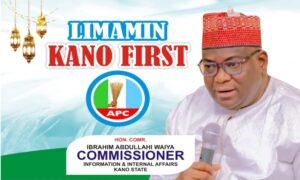
Kano first
These interventions reflect a broader understanding that education is not merely a social service but a strategic investment in the future prosperity and competitiveness of Kano State. By focusing on human capital development, the administration seeks to prepare a new generation capable of contributing meaningfully to economic growth and social progress.
Beyond education, healthcare has remained another priority area. Access to quality healthcare remains one of the most pressing concerns for many Nigerian families, particularly in vulnerable communities. In response, the Yusuf administration has embarked on efforts to rehabilitate and equip primary healthcare centres across the state.
The introduction and expansion of free maternal and child healthcare initiatives have provided relief to thousands of families who would otherwise struggle to afford essential medical services. These programmes have not only reduced financial burdens but have also strengthened public confidence in government-supported healthcare systems.
Improved healthcare infrastructure, combined with targeted interventions for women and children, demonstrates an administration focused on practical solutions rather than symbolic gestures. Such investments contribute directly to improved public health outcomes and reinforce the government’s commitment to protecting the welfare of its citizens.
Infrastructure development has equally featured prominently in the administration’s agenda. Across Kano’s forty four local government areas, projects that had remained dormant for years are gradually being revived and completed. Road construction and rehabilitation projects are improving connectivity between communities, while urban renewal initiatives are enhancing the physical appearance and functionality of key areas within the state.
Strategic drainage projects are also helping address recurring flooding challenges, protecting homes, businesses, and public assets from environmental damage. These investments have broader economic implications, facilitating trade, encouraging private investment, and creating opportunities for local businesses.
Infrastructure remains one of the most visible indicators of governmental performance, and the administration’s emphasis on completing and initiating projects reflects a commitment to long-term development rather than short-term political gains.
No development agenda can succeed without peace and security. Recognizing this reality, Governor Yusuf’s administration has worked closely with security agencies to maintain stability across the state. Through proactive engagement and cooperation with relevant institutions, Kano has continued to enjoy a relatively peaceful environment compared to many parts of the country facing various security challenges.
This atmosphere of stability has been critical in sustaining economic activities, attracting investment, and ensuring that residents can pursue their daily livelihoods without fear. Security, often overlooked until it deteriorates, remains one of the fundamental pillars supporting the administration’s broader developmental objectives.
Perhaps the most distinguishing feature of Governor Yusuf’s leadership is his ability to maintain focus despite political distractions. At a time when public discourse is often dominated by controversy and confrontation, his administration has sought to place governance at the centre of political leadership.
Supporters argue that this approach has enabled the government to concentrate resources and energy on addressing the practical needs of citizens rather than engaging in endless political contests. Whether through investments in education, improvements in healthcare, infrastructure development, or the preservation of peace and security, the administration has attempted to demonstrate that effective governance is ultimately measured by tangible outcomes.
As Kano continues on its development trajectory, the state’s experience offers an important lesson for public office holders across Nigeria. Leadership is most impactful when it remains focused on service delivery, responsive to the needs of citizens, and committed to translating promises into measurable results.
For many residents, the story of Governor Abba Kabir Yusuf’s administration is increasingly becoming a story about the politics of focus a reminder that when leaders concentrate on governance rather than distractions, meaningful progress becomes possible. As Kano advances, the state is positioning itself as a compelling example of how purposeful leadership can drive transformation and inspire confidence in democratic governance.