

By Najeeb Nasir Ibrahim
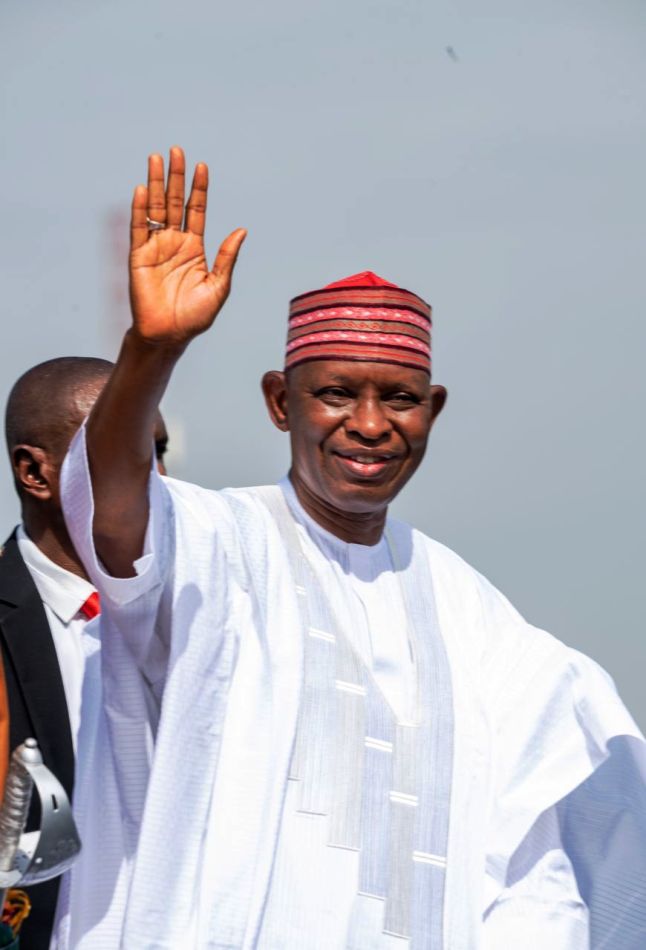
Since assuming office as the Executive Governor of Kano State on May 29, 2023, His Excellency, Governor Abba Kabir Yusuf, has pursued an ambitious governance agenda anchored on improving the welfare of the people and restoring public confidence in government institutions. Nearly three years into his administration, many observers believe that a substantial percentage of the promises contained in his campaign blueprint have either been fulfilled or are actively being implemented.
The administration’s achievements are evident across key sectors, including education, healthcare, infrastructure, social welfare, youth empowerment, and grassroots development. According to statements by the governor and government officials, between 80 and 90 percent of the administration’s campaign promises have been delivered or are at advanced stages of implementation.
One of the most notable accomplishments of the administration is in the education sector. Governor Yusuf declared a state of emergency on education, increased budgetary allocation to the sector, recruited thousands of teachers, reopened boarding schools, provided learning materials, and revived foreign scholarship programmes for Kano students studying abroad. These interventions have strengthened access to quality education and renewed hope for thousands of young people.
In the healthcare sector, the administration has embarked on the renovation and upgrading of hospitals and health training institutions, improved emergency medical services, supplied free drugs in selected facilities, and recruited additional healthcare personnel. These measures are aimed at ensuring accessible and affordable healthcare for residents across the state.
Infrastructure development has also remained a major priority. The construction and rehabilitation of roads, flyovers, underpasses, and urban renewal projects have transformed the physical landscape of Kano. Major projects such as the Dan Agundi and Tal’udu flyovers, alongside numerous road projects across the 44 local government areas, demonstrate the government’s commitment to modernizing the state’s infrastructure.
At the grassroots level, the administration has empowered local governments to undertake community-based projects, including classroom renovations, borehole construction, solar-powered facilities, and other initiatives designed to improve the quality of life in rural communities. This approach has brought governance closer to the people and enhanced public participation in development.
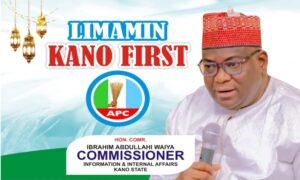
Kano first
Social welfare programmes have equally received significant attention. From support for vulnerable groups to mass marriage initiatives and pension settlements, the government has sought to cushion economic hardship and promote social inclusion among citizens.
Reports from government sources indicate that more than 1,400 projects have been initiated under the administration, with hundreds already completed and many others nearing completion. These projects reflect a deliberate effort to translate campaign promises into tangible results that directly impact the lives of ordinary citizens.
While no administration can claim perfection, the developmental milestones recorded under Governor Abba Kabir Yusuf provide a strong basis for evaluating his performance. The visible improvements across multiple sectors suggest that the administration has made significant progress toward fulfilling the mandate entrusted to it by the people of Kano State.
As the administration moves closer to the completion of its first term, the focus will undoubtedly remain on consolidating existing achievements, completing ongoing projects, and addressing the remaining promises in its blueprint. For many residents, the true measure of governance lies not in political rhetoric but in the visible transformation of their communities and the improvement of their daily lives.
The story of Kano’s development under Governor Abba Kabir Yusuf is therefore one of ambitious promises, measurable progress, and an ongoing commitment to building a more prosperous future for the people of the state.