

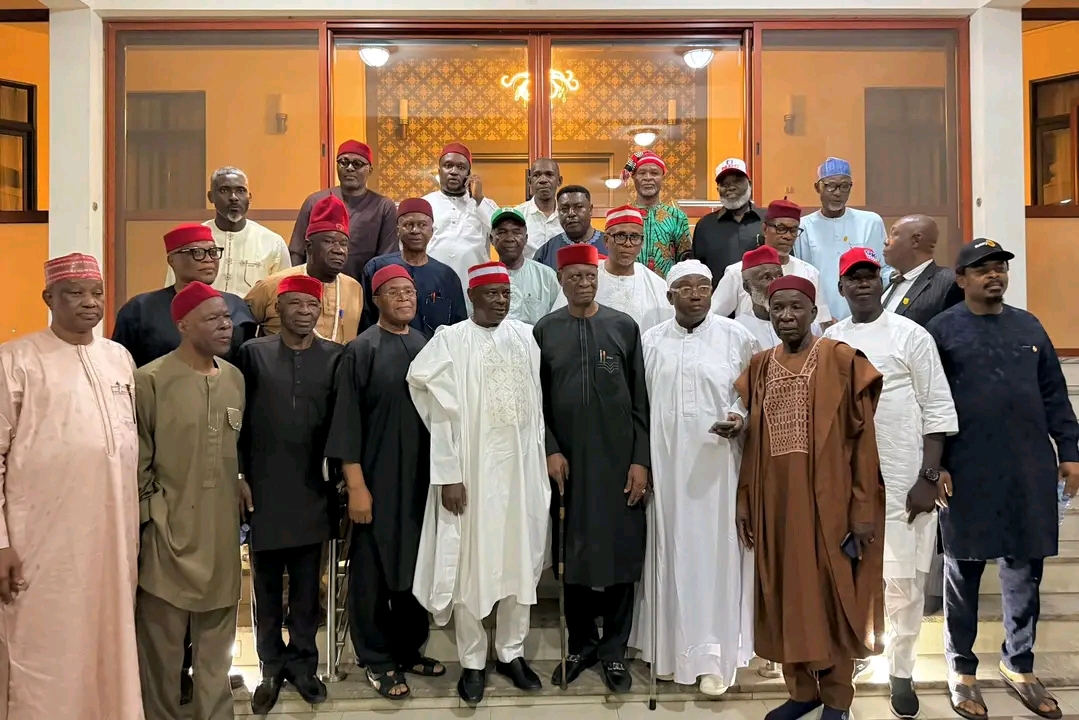
A Kano-based community advocate, Nworisa Michael, has pushed back against interpretations surrounding a recent meeting involving the so-called Igbo Elders Consultative Forum and political stakeholders, insisting that the engagement should not be mistaken for a blanket endorsement of the proposed Kwankwaso–Obi political arrangement under the National Democratic Congress.
In a strongly worded open letter addressed to the Vice Presidential candidate of the Nigerian Democratic Congress and Kwankwasiyya leader, Sen. Rabiu Musa Kwankwaso, Michael argued that while the meeting has been publicly presented by the Kwankwasiyya leader as a significant political alignment, such conclusions, in his view, do not reflect the broader political reality or the collective position of the Igbo community in Kano and across Nigeria.
He maintained that the attendance of a delegation however respected should not automatically be elevated to represent a unified endorsement of millions of Igbo residents nationwide, warning against what he described as “over-politicization” of community engagements.
Michael, who said he has served within structured Igbo community frameworks in Kano, including youth representation roles, stressed that he was speaking in a personal capacity and not on behalf of any official Igbo organization.
He further questioned the representativeness of the delegation linked to the meeting, noting that established Igbo socio-cultural institutions in Kano, including the Igbo Community Association (ICA) and the traditional leadership structure under the Eze Ndi Igbo Kano institution, were not clearly reflected in the reported engagement.
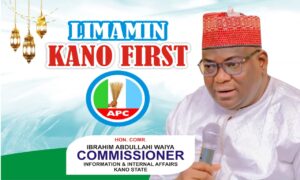
Kano first
According to him, the absence of these recognized structures raises concerns about the extent to which the meeting can be interpreted as carrying broad community legitimacy.
The advocate traced the history of organized Igbo associations in Nigeria, describing them as rooted in longstanding civic and cultural structures that predate modern political alignments, and emphasized that such institutions remain central to authentic community representation in Kano.
He also urged caution in drawing political conclusions from symbolic visits, arguing that endorsements or declarations emerging from select meetings should not be mistaken for widespread electoral approval.
Michael further challenged political actors to deepen grassroots engagement beyond formal gatherings, suggesting that true political acceptance is better measured in everyday interactions within diverse communities across Kano such as Sabon Gari, Rijiyar Lemo, Nomansland, Brigade, and other inter-tribal settlements.
He argued that residents’ political perceptions are often shaped more by lived experiences, inclusion, and trust than by formal declarations or elite-level endorsements.
“Political acceptance grows from the grassroots upward, not merely from conference rooms downward,” the letter stated, urging political actors to prioritize direct engagement with ordinary citizens.
He also posed questions about the depth of political outreach by major actors, referencing the importance of engaging recognized traditional and community structures during political consultations.
While reaffirming respect for elders involved in the meeting, Michael insisted that their participation should not be misconstrued as representing the collective political will of the wider Igbo population.
He concluded by warning against overreliance on endorsements, arguing that “charity begins at home” and that genuine political acceptance cannot be substituted with symbolic political declarations.