

…Those people deserved respect not insults
By Munir Ibrahim Publisher
As political alignments ahead of the 2027 general elections continue to evolve, a troubling trend has emerged within public discourse, particularly across social media platforms. Increasingly, political debates are being overshadowed by attacks on historical figures whose contributions remain deeply embedded in the identity and development of Northern Nigeria.
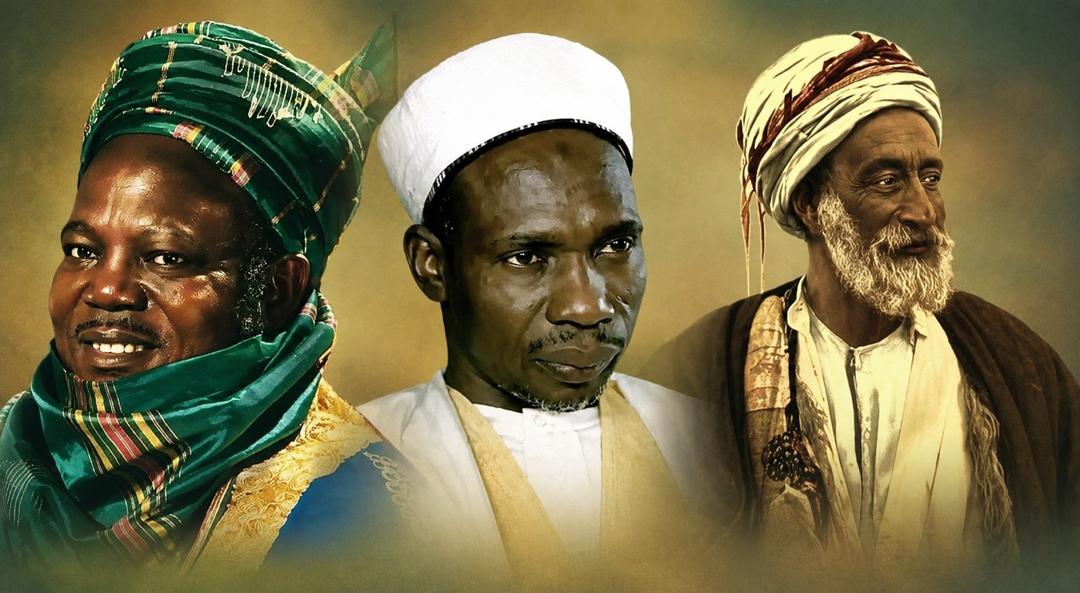
In recent months, derogatory remarks directed at revered personalities such as Shehu Usmanu Danfodiyo, Sir Ahmadu Bello (Sardauna of Sokoto), and Sir Abubakar Tafawa Balewa have generated concern among many Northerners. While historical figures, like all public leaders, may be subjected to scholarly criticism and objective evaluation, reducing their legacies to insults and ridicule serves neither historical truth nor constructive political engagement.
For many Northerners, these leaders symbolize sacrifice, vision, and institution-building. Their contributions to education, governance, regional development, and nation-building laid foundations that continue to influence contemporary Nigeria. Disagreements over aspects of their records should therefore be addressed through facts and informed debate rather than emotional attacks or political propaganda.
Equally concerning is the perception among some observers that certain political actors have failed to clearly distance themselves from supporters who engage in such conduct. Whether intentional or not, prolonged silence in the face of repeated insults can create the impression of tolerance and further deepen political divisions.
The growing controversy has also revived broader discussions surrounding political alliances, identity politics, and competing interpretations of Nigeria’s history. Supporters and critics of various political movements continue to advance different narratives regarding regional interests, religious sensitivities, and the future direction of the country. However, such disagreements should never justify hostility toward historical figures or communities.
Nigeria’s democratic progress depends on the ability of citizens to debate policies, governance, security, education, economic development, and national unity without undermining the dignity of those who played significant roles in shaping the nation. Every region possesses heroes whose memories deserve respect, regardless of contemporary political differences.
As the country moves closer to another electoral cycle, political leaders, civil society organizations, traditional institutions, religious bodies, and youth groups must encourage responsible public discourse. Respect for history should not be selective, and political competition should not become a platform for historical revisionism driven by partisan interests.
The preservation of national cohesion requires maturity, tolerance, and mutual respect. Nigerians may differ politically, but they must remain united in acknowledging the sacrifices and contributions of those whose efforts helped build the nation and shape the collective heritage of its people.