
Close Menu
  • Home
  • News
    • National
    • International
  • Business
  • Education
  • Featured
  • Health
  • Politics
  • Sports
  • Videos
  • More
    • About Us
    • Contact Us
    • Privacy Policy
Facebook X (Twitter) Instagram
Facebook Instagram TikTok
BROWN PIGEON MEDIA
SUBSCRIBE
  • Home
  • News
    1. National
    2. International
    3. View All

    DEMOCRACY DAY SPEECH: OUR GENERATION MUST SECURE PROSPERITY 

    June 12, 2026

    Majalisar wakilai Ta Amince Da Kudirin Kafa Ƴansandan Jihohi 

    June 11, 2026

    COURTESY AND COLLABORATION VISIT BY THE INDONESIAN HAJJ FINANCIAL MANAGEMENT AGENCY (BPKH) TO NAHCON

    June 7, 2026

    Ganduje, NGF chairman join special democracy day prayer as FG pledges stronger democracy

    June 6, 2026

    NETANYAHU YA SHA ALWASHIN HANA IRAN MALLAKAR MAKAMIN NUKILIYA

    June 13, 2026

    Girgizar Ƙasa Mai Ƙarfi Ta Hallaka Mutane a Philippines, Ana Fargabar Tsunami a Wasu Ƙasashe

    June 8, 2026

    Yan Sanda a ƙasar Turkiyya Sun Gano Baƙin Haure 30 da aka Boye a Cikin Wata Tankar Mai

    June 5, 2026

    Saudiyya Ta Raba Alƙur’ani Miliyan 1.9 Ga Alhazan Bana

    June 2, 2026

    Clerics Back Matawalle, Call For national Prayers to end Insecurity

    June 15, 2026

    NDLEA Nabs Brazil-based Businessman With 6.10kg Cocaine

    June 15, 2026

    The Prophet’s Mosque, Al-Rawdah, and the Serenity That Fills the Visitor’s Heart

    June 14, 2026

    A STATEMENT THAT CASTS DOUBT ON PETER OBI’S FITNESS TO BE PRESIDENT 

    June 14, 2026
  • Business

    KASEDA TA GUDANAR DA SHIRIN WAYAR DA KAI GA MSMEs KAN KA’IDOJIN NAFDAC A JIHAR KATSINA

    June 12, 2026

    Dangote Industrialising Africa– NCCIMA DG

    May 17, 2026

    INEC TA BUKACI MASU RIJISTAR KATIN ZABE A KANO DA SU JE SU DUBA SUNAYENSU

    April 27, 2026

    KANO TO HOST NATIONAL LAUNCH OF ECoN INITIATIVE, SET TO DRIVE INNOVATION AND INDUSTRIAL GROWTH IN NORTH-WEST

    April 16, 2026

    NewsNigeria’s Inflation Rate Climbs to 15.38% in March

    April 16, 2026
  • Education

    Kano Govt Reaffirms Commitment to Children’s Welfare at International Children’s Day Celebration

    June 14, 2026

    The Two Faces of Kano’s Democracy: Political Turbulence and Grassroots Progress Under Abba Kabir Yusuf

    June 12, 2026

    Kebbi Expands Early Childhood Education with N1.59bn Investment

    June 12, 2026

    ABU most Grateful to UNESCO-ICHEI for Sustained Support – VC

    June 12, 2026

    Turn research into wealth, Deputy Senate President urges universities

    June 11, 2026
  • Featured

    Kano State Government Organises Two-Day Retreat for Online Media Publishers in Jigawa

    January 15, 2026

    Former Kano APC Councilors Hold Special Prayers for Governor Abba Kabir Yusuf

    October 27, 2025

    Mustapha Salisu Makes Azerbaijan Move

    September 9, 2025

    Delta 2025 NYG: Team Kano Finish 9th With 14 Medals

    September 8, 2025

    Kano Government Clarifies Position on Elders Council, Backs Its Own Initiative

    September 7, 2025
  • Health

    Hukumar Kula da Asibitocin Kano Ta Tsaurara Matakai Kan Rashin Zuwa Aiki bisa Jadawalin Ayyuka

    June 11, 2026

    Race Against Time: KSCHMA Rapid Response Team Secures Emergency Surgery for Accident Victim at Sir Muhammad Sunusi Specialist Hospital

    June 9, 2026

    Zulum Sets 60-Day Deadline for 400-Bed Teaching Hospital, Orders Completion of Orthopaedic Hospital in Four Months

    June 6, 2026

    ABU TEACHING HOSPITAL COMMEMORATES WORLD HYPERTENSION DAY 2026.

    June 6, 2026

    Zulum Directs Distribution of Free Cholera Drugs, Medical Consumables to Health Facilities

    June 1, 2026
  • Politics

    Peter Obi’s Nnamdi Kanu Promise: A Risky Political Calculation Nigerians Must Question

    June 14, 2026

    PETER OBI YAYI ALKAWARIN SAKIN NNAMDI KANU IDAN YA ZAMA SHUGABAN KASA

    June 13, 2026

    Gwamnan Kano Ya Yi Sabbin Naɗe-naɗe da Sauye-sauyen Mukamai Domin Inganta Ayyukan Gwamnati

    June 11, 2026

    Sen. Nakudu Hails INEC’s Restoration Of Aujara State Constituency

    June 11, 2026

    NNPP Ta Zargi Kwankwaso Da Ci Gaba Da Tsoma Baki A Harkokinta Duk Da Ficewarsa

    June 11, 2026
  • Sports

    Bichi First FC Unveils Abubakar Senior as New Technical Adviser

    September 11, 2025

    Mustapha Salisu Makes Azerbaijan Move

    September 9, 2025

    Delta 2025 NYG: Team Kano Finish 9th With 14 Medals

    September 8, 2025

    If Super Eagles Fail to Qualify for World Cup, Nigerians Will Not Forgive Us – Ahmed Musa

    September 6, 2025

    Super Falcons striker and six-time African Women’s Footballer of the Year, Asisat Oshoala, has completed her move from Bay FC to Saudi Women’s Premier League side Al Hilal

    September 3, 2025
  • Videos
  • More
    • About Us
    • Contact Us
    • Privacy Policy
BROWN PIGEON MEDIA
Home » Dialogue or De-escalation? Why Negotiating Convicted Separatist Leaders Could Undermine National Deterrence
News

Dialogue or De-escalation? Why Negotiating Convicted Separatist Leaders Could Undermine National Deterrence

Brown Pigeon MediaBy Brown Pigeon MediaJune 14, 20264 Mins Read
Facebook Twitter WhatsApp Telegram Email Copy Link
Mutawakkilu Ibrahim Idris
Dialogue or De-escalation? Why Negotiating Convicted Separatist Leaders Could Undermine National Deterrence
Mutawakkilu Ibrahim Idris
Dialogue or De-escalation? Why Negotiating Convicted Separatist Leaders Could Undermine National Deterrence


By Mohammed Babagana Abubakar


In discussions about national reconciliation, there is often a strong temptation to view political compromise as the quickest route to peace. Faced with longstanding regional grievances and security challenges, governments may feel compelled to pursue dialogue with aggrieved groups in the hope of reducing tensions and restoring stability. While negotiation can be an important tool of conflict resolution, it becomes problematic when it appears to supersede judicial processes and established principles of accountability.


This debate has resurfaced following remarks attributed to former presidential candidate Peter Obi during a town hall engagement in Washington, D.C., where he reportedly suggested that there would be little justification for continuing the detention of Nnamdi Kanu, leader of the Indigenous People of Biafra (IPOB), and advocated a consultative approach to resolving the crisis in the South East.


Supporters of such a position argue that political dialogue can help address underlying grievances and foster national unity. However, critics contend that any attempt to overturn or sidestep judicial outcomes through political negotiations risks weakening the foundations of the rule of law and creating unintended security consequences.


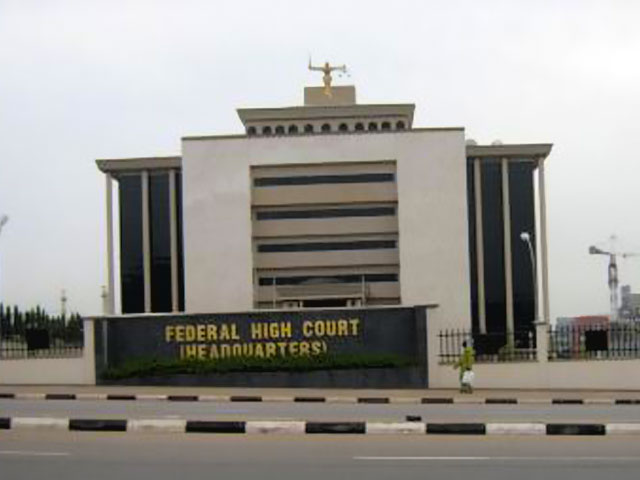
At the heart of the controversy is the distinction between free expression and criminal accountability. While political dissent remains a legitimate component of democratic governance, the Nigerian state has maintained that the issues surrounding Kanu extend beyond rhetoric or political agitation. Following years of legal proceedings, a Federal High Court delivered a judgment in November 2025, convicting him on multiple serious charges and imposing a life sentence.

Kano first

Mutawakkilu Ibrahim Idris

Regardless of one’s personal views about the case, the broader question remains: what message does it send when a government appears willing to negotiate away the outcome of a judicial process?


A fundamental responsibility of every sovereign state is to uphold its monopoly over the legitimate use of force and the administration of justice. Courts exist to determine guilt or innocence based on evidence and legal standards. If political considerations are allowed to override judicial decisions, public confidence in the independence and authority of the legal system may gradually erode.


The concern extends beyond a single individual. Security analysts often warn about the concept of moral hazard the idea that rewarding certain forms of behavior can unintentionally encourage their repetition. If groups perceive that sustained agitation, disruption, or confrontation with state authorities ultimately leads to political concessions or legal exemptions, others may be tempted to adopt similar strategies.


In such circumstances, peaceful civic engagement may appear less effective than aggressive pressure tactics. This could create a dangerous precedent in which political actors conclude that the quickest route to attracting national attention is through actions that threaten public order rather than through constitutional channels.


There is also the question of the sacrifices made by security and law enforcement personnel. Counter terrorism operations, intelligence gathering, investigations, and prosecutions require enormous investments of time, resources, and human effort. Officers often operate under difficult and dangerous conditions in pursuit of individuals accused of threatening national security.


When convictions secured through lengthy legal processes are subsequently subjected to political bargaining, it may affect morale within the security sector. Personnel may question whether their efforts will ultimately be sustained by government policy or reversed for short-term political expediency.


None of this suggests that dialogue has no place in conflict resolution. On the contrary, history demonstrates that meaningful engagement can help reduce tensions, address legitimate grievances, and prevent the escalation of violence. However, dialogue is most effective when it complements, rather than replaces, the rule of law.


A democratic society must strike a careful balance between reconciliation and accountability. Genuine peace is not achieved merely through political accommodation; it is sustained through strong institutions, equal application of the law, and public confidence that justice is neither selective nor negotiable.


Nigeria faces numerous security challenges that require both firmness and wisdom. Efforts to promote national unity and regional healing should certainly continue, but they must be pursued within the framework of constitutional governance. Any perception that judicial decisions can be set aside through political negotiation risks weakening deterrence and encouraging future challenges to state authority.


Ultimately, the strength of a democracy lies not in its willingness to bend the law to accommodate political pressures, but in its ability to uphold legal principles consistently, even when doing so is politically inconvenient. If Nigeria is to maintain stability, strengthen national cohesion, and deter future unrest, the rule of law must remain paramount. Dialogue has its place, but justice must retain the final word.

Share. Facebook Twitter LinkedIn Telegram Email VKontakte WhatsApp Copy Link
Previous ArticleSULHU DA MASU RAJIN RABA ƘASA: HANYAR ZAMAN LAFIYA KO BARAZANA GA DOKA?
Next Article Mulkin Doka da Maslahar Siyasa: Barazanar Tsaro da ke Tattare da Kauce wa Hanyoyin Shari’a

Related Posts

Clerics Back Matawalle, Call For national Prayers to end Insecurity

June 15, 2026

NDLEA Nabs Brazil-based Businessman With 6.10kg Cocaine

June 15, 2026

The Prophet’s Mosque, Al-Rawdah, and the Serenity That Fills the Visitor’s Heart

June 14, 2026

A STATEMENT THAT CASTS DOUBT ON PETER OBI’S FITNESS TO BE PRESIDENT 

June 14, 2026

The Rule of Law vs. Political Expediency: The Security Risks of Bypassing Judicial Processes

June 14, 2026

Mulkin Doka da Maslahar Siyasa: Barazanar Tsaro da ke Tattare da Kauce wa Hanyoyin Shari’a

June 14, 2026
Add A Comment
Leave A Reply Cancel Reply

Stay In Touch
  • Facebook
  • Twitter
  • Instagram
  • YouTube
  • TikTok
  • Telegram
  • WhatsApp
Latest Posts

Clerics Back Matawalle, Call For national Prayers to end Insecurity

By Brown Pigeon MediaJune 15, 2026

The Nigerian Muslims Forum has thrown its weight behind Minister of State for Defence, Mohammed…

NDLEA Nabs Brazil-based Businessman With 6.10kg Cocaine

June 15, 2026

The Prophet’s Mosque, Al-Rawdah, and the Serenity That Fills the Visitor’s Heart

June 14, 2026

A STATEMENT THAT CASTS DOUBT ON PETER OBI’S FITNESS TO BE PRESIDENT 

June 14, 2026

The Rule of Law vs. Political Expediency: The Security Risks of Bypassing Judicial Processes

June 14, 2026
© 2026 Brown Pigeon Media. Developed by: ENGRMKS & CO.
  • Home
  • About Us
  • Contact Us
  • Privacy Policy

Type above and press Enter to search. Press Esc to cancel.