

…Yusuf’s bold masterstroke to reclaim Kano’s youth and secure the future.
By Shariff Aminu Ahlan
In every generation, there emerges a leader who dares to confront society’s most difficult challenges not with condemnation, but with compassion; not with force alone, but with foresight. In Kano State today, that leader is Governor Abba Kabir Yusuf, whose visionary Safe Corridor Programme, Kano Model is gradually emerging as one of the most innovative and people-oriented security interventions in Nigeria.
For decades, communities across Kano State have grappled with the disturbing rise of youth involvement in thuggery, phone-snatching syndicates, drug abuse, gang violence, and other social vices that threaten public peace and stability. While many administrations focused largely on punitive measures, Governor Abba Kabir Yusuf has chosen a more strategic and sustainable path: addressing the root causes of insecurity by transforming lives rather than merely punishing offenders.
The Safe Corridor Programme is a bold declaration that no youth is beyond redemption. It is a revolutionary initiative designed to rehabilitate, reform, empower, and reintegrate misguided youths into mainstream society, turning potential threats into productive citizens and agents of development.
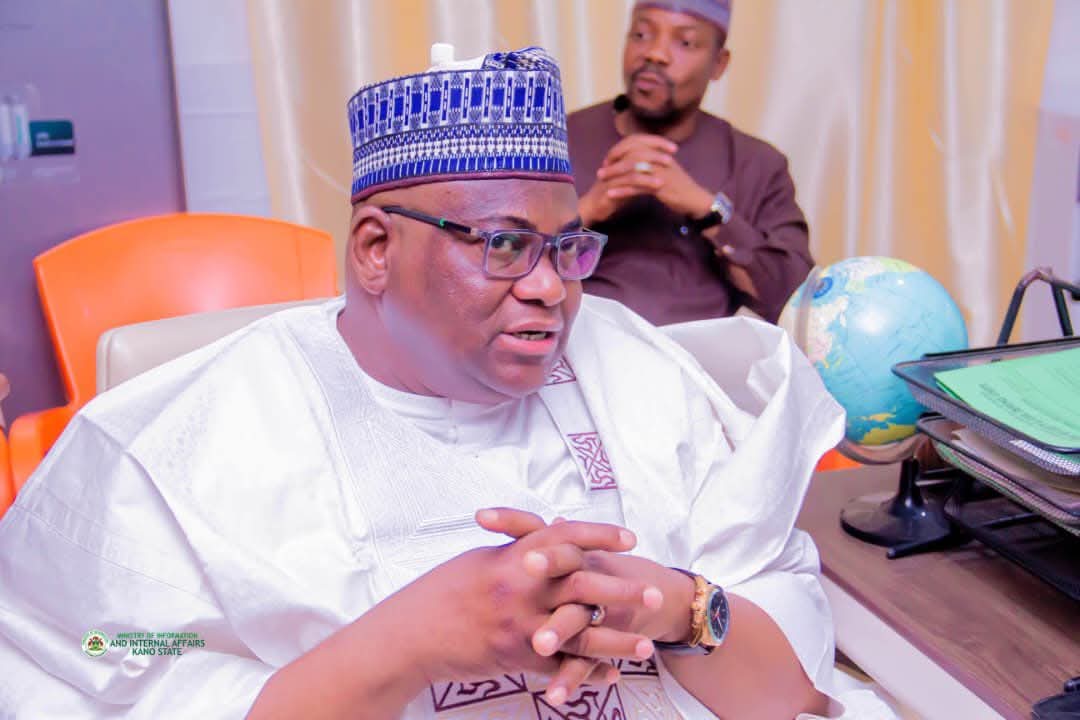
At the heart of this noble mission stands the Honourable Commissioner for Information and Internal Affairs, Comrade Ibrahim Abdullahi Waiya, who also serves as the Chairman of the Safe Corridor Programme. Since the launch of the initiative, Waiya has demonstrated extraordinary commitment, passion, and determination in ensuring that the programme succeeds beyond expectations. His recent strategic engagements with critical security institutions reveal the seriousness and meticulous planning behind the initiative.
The Commissioner led delegations on high-level courtesy visits to the Kano State Command of the Nigeria Security and Civil Defence Corps (NSCDC), the Customs Training School Kano, and the Kano State Command of the Nigerian Correctional Service. These engagements were not mere ceremonial visits. They were strategic missions aimed at building strong institutional partnerships capable of supporting the successful implementation of the programme.
Kano first
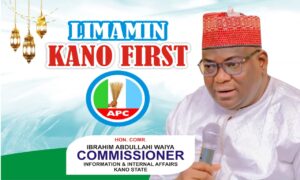
The discussions focused on strengthening rehabilitation frameworks, promoting community-based peacebuilding mechanisms, advancing youth empowerment initiatives, enhancing skills acquisition programmes, and developing sustainable pathways for reintegration. The message from these meetings was clear and unequivocal: Kano State is determined to win the battle against insecurity through collaboration, innovation, and human development.
What makes the Safe Corridor Kano Model particularly unique is its emphasis on transformation rather than stigmatization. Beneficiaries of the programme will undergo comprehensive rehabilitation and reformation processes before being trained in various vocational and entrepreneurial skills. Upon completion, they will receive take-off grants, working tools, and continuous support mechanisms that will enable them to become self-reliant and economically productive.
This approach recognizes a fundamental truth often ignored in security conversations: many youths involved in social vices are themselves victims of poverty, unemployment, lack of opportunities, and social neglect. By equipping them with skills and economic opportunities, the government is not only changing individual lives but also dismantling the very foundations upon which criminality thrives.
The Safe Corridor Programme therefore represents far more than a security initiative. It is an ambitious social investment project aimed at restoring hope, rebuilding confidence, and creating a generation of responsible citizens who can contribute positively to the growth and prosperity of Kano State. Governor Abba Kabir Yusuf deserves immense commendation for demonstrating the courage to invest in people rather than simply expanding punitive measures. His administration understands that sustainable peace cannot be achieved solely through arrests and prosecutions. It requires healing broken lives, restoring dignity, and creating pathways to legitimate livelihoods.
Equally deserving of recognition is Comrade Ibrahim Waiya, whose relentless engagements with security agencies, government institutions, traditional leaders, religious leaders, and community stakeholders continue to generate the momentum needed to drive the programme forward. His leadership reflects a deep understanding of the challenges facing Kano’s youth and a sincere commitment to finding lasting solutions.
The optimism surrounding the initiative is not misplaced. With the support of security agencies, traditional institutions, religious leaders, community stakeholders, and development partners, there is every reason to believe that the menace of Daba, political thuggery, phone-snatching syndicates, and drug abuse can be significantly reduced.
Indeed, Kano State is laying the foundation for a new era where youths are no longer viewed as security liabilities but as valuable assets capable of driving economic growth, innovation, and social progress. History often remembers leaders not for the problems they inherited but for the solutions they championed. The Safe Corridor Kano Model may well become one of the defining legacies of Governor Abba Kabir Yusuf’s administration—a legacy built on compassion, rehabilitation, empowerment, and hope.
As the programme gathers momentum and institutional support continues to grow, one thing is becoming increasingly evident: Kano State is charting a new course in the fight against insecurity. A course that seeks not merely to punish wrongdoing but to transform lives, restore communities, and build a safer, stronger, and more prosperous future for generations to come. If successfully sustained, the Safe Corridor Programme will stand as a shining example of how visionary leadership, strategic partnerships, and genuine concern for the welfare of citizens can transform challenges into opportunities and turn vulnerable youths into champions of development.
This is not merely a programme.
It is a movement.
A movement to rescue lives.
A movement to reclaim the future.
A movement to build a safer and greater Kano.