

1. One Kano Agenda has taken note of the recent passage of the State Police Bill by the House of Representatives, a significant development that has further advanced the national discourse on the future of security administration in Nigeria.
While the legislative and constitutional processes required for the establishment of state policing are yet to be fully concluded, One Kano Agenda believes that Kano State must begin proactive preparations by studying the implications of the proposed reform and developing the institutional frameworks necessary for its successful implementation should the bill eventually become law.
2. Security remains one of the foremost responsibilities of government, and any reform of Nigeria’s security architecture requires careful planning, broad stakeholder engagement, and a long-term strategic vision. The effectiveness of any new security framework will depend largely on the quality of preparation undertaken prior to implementation.
3. As an initial step, One Kano Agenda calls on the Kano State Government to establish a State Police Preparatory and Advisory Committee comprising experienced security professionals, retired military and police officers, legal practitioners, academics, traditional rulers, representatives of civil society organizations, community leaders, and other relevant stakeholders.
The Committee should be mandated to:
1. Study the provisions of the proposed legislation and assess its implications for Kano State.
2. Examine international and domestic best practices in sub-national policing.
3. Identify potential opportunities, risks, and implementation challenges.
4. Recommend appropriate legal, institutional, administrative, and financial frameworks.
5. Advise the Government on recruitment standards, training requirements, accountability mechanisms, and operational structures.
6. Develop a comprehensive implementation roadmap should the bill eventually become law.
Kano first

The establishment of such a committee will ensure that Kano State is not caught unprepared and that future decisions are guided by expertise, evidence-based research, and broad stakeholder consultation.
4. Furthermore, One Kano Agenda urges the Kano State Government to pay particular attention to the following critical areas:
1. Development of a robust legal and regulatory framework.
2. Sustainable funding and resource mobilization strategies.
3. Merit-based recruitment and professional training systems.
4. Technology-driven and intelligence-led policing models.
5. Effective oversight, transparency, and accountability mechanisms.
6. Strong collaboration with existing federal security agencies.
7. Community engagement and public trust-building initiatives.
8. Integration of traditional institutions into local security and intelligence networks.
Kano State has long maintained a reputation as a centre of leadership, commerce, innovation, and governance. It should therefore position itself at the forefront of policy development and institutional preparedness regarding emerging security reforms.
5. By commencing consultations, technical studies, and strategic planning early, Kano can develop a comprehensive framework that promotes professionalism, operational efficiency, transparency, accountability, and public confidence. Such an approach would not only strengthen security outcomes within the state but could also serve as a model for other states across the federation.
6. One Kano Agenda therefore calls upon the Kano State Government, members of the Kano State House of Assembly, traditional institutions, security experts, the private sector, civil society organizations, youth groups, and community leaders to actively participate in discussions that will shape the future of security governance in our state.
The time for preparation is now. Regardless of the eventual outcome of the legislative process, Kano must be ready, informed, and strategically positioned to respond effectively in the best interest of its people.
Signed:
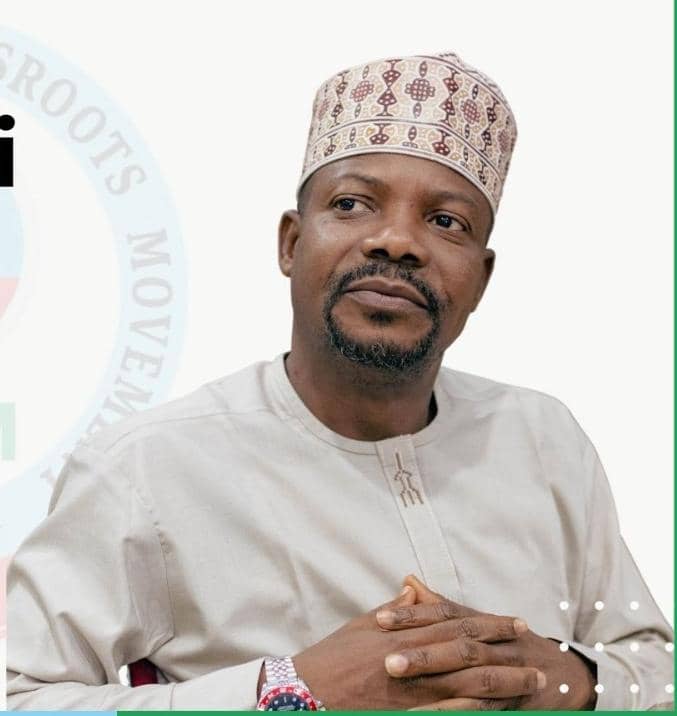
Amb Abbas Abdullahi Yakasai cissp, ipma
DG- One Kano Agenda