

By: Munir I. Publisher
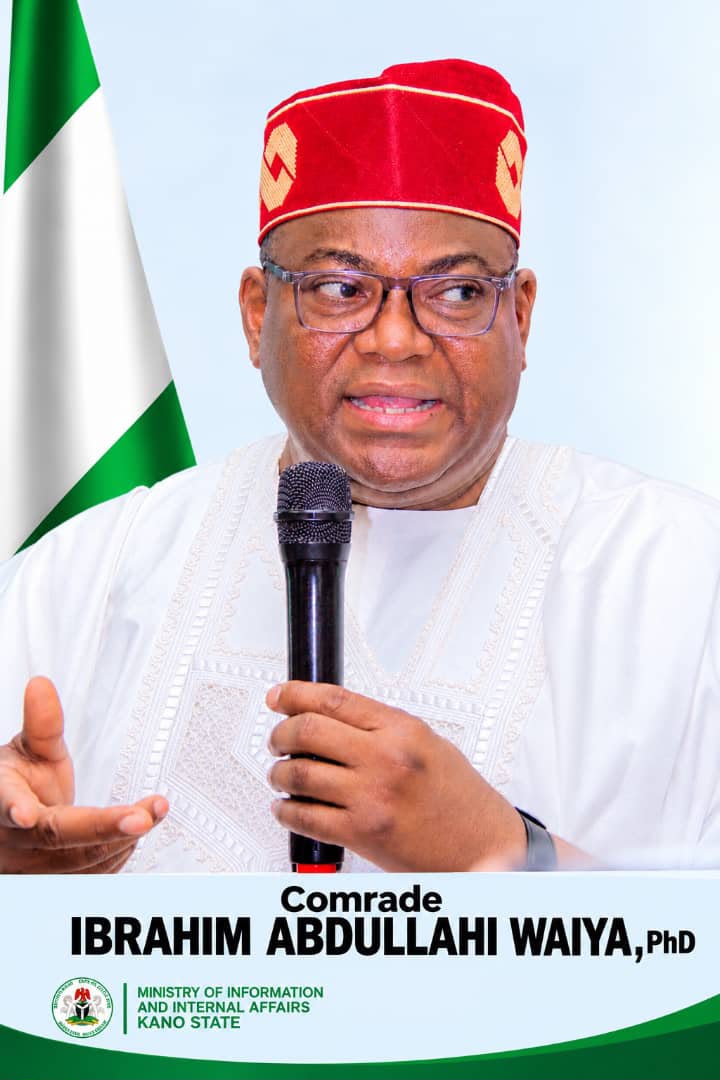
In today’s politics, structures matter, organisation matters, and grassroots connections often determine how effectively political movements translate their ambitions into action. As Kano State approaches the 2027 general elections, Comrade Ibrahim Abdullahi Waiya, PhD, Commissioner for Information and Internal Affairs, has become associated with a coalition-building approach that places grassroots organisations at the centre of political mobilisation.
At the heart of this approach is One Kano Agenda, a coalition reportedly comprising more than 50 organisations drawn from different backgrounds, including partisan and non-partisan groups. By bringing these organisations under a common platform, the initiative provides a framework for coordination, collective engagement, and political participation beyond the activities of individual groups.
Another notable platform is Nigeria Forward, unveiled under the national convenership of Dr Kingsley Udeh, Minister of Science and Technology, with Waiya serving as co-convener. The initiative further illustrates the importance of building connections across political and organisational networks, creating opportunities for broader engagement ahead of the next electoral cycle.
What distinguishes this approach is its emphasis on preparation before the election season reaches its peak. Effective political mobilisation requires more than prominent personalities and public declarations; it demands functional structures, clear communication, coordination among stakeholders, and sustained engagement with citizens. These are the foundations upon which organised political movements seek to build their influence.
Waiya’s involvement in these platforms reflects a political strategy aligned with the re-election ambitions of President Bola Ahmed Tinubu and Kano State Governor Abba Kabir Yusuf in 2027. However, the effectiveness of that strategy will ultimately depend on how well the participating organisations coordinate their activities, engage communities, and communicate their objectives to the public.
In a political environment as dynamic as Kano’s, coalition-building can create opportunities to unite diverse interests around shared objectives. Yet, the real test of any coalition is not simply the number of organisations it attracts, but its ability to maintain unity, demonstrate organisational discipline, and sustain meaningful engagement beyond meetings and declarations.
As 2027 approaches, Waiya’s grassroots mobilisation initiatives deserve attention as part of the evolving political landscape. His organisational approach reinforces a fundamental principle of democratic politics: political strength is built not only through individual influence, but also through the structures, relationships, and collective efforts that connect leadership with the people.