

By Comrade Najeeb Nasir Ibrahim
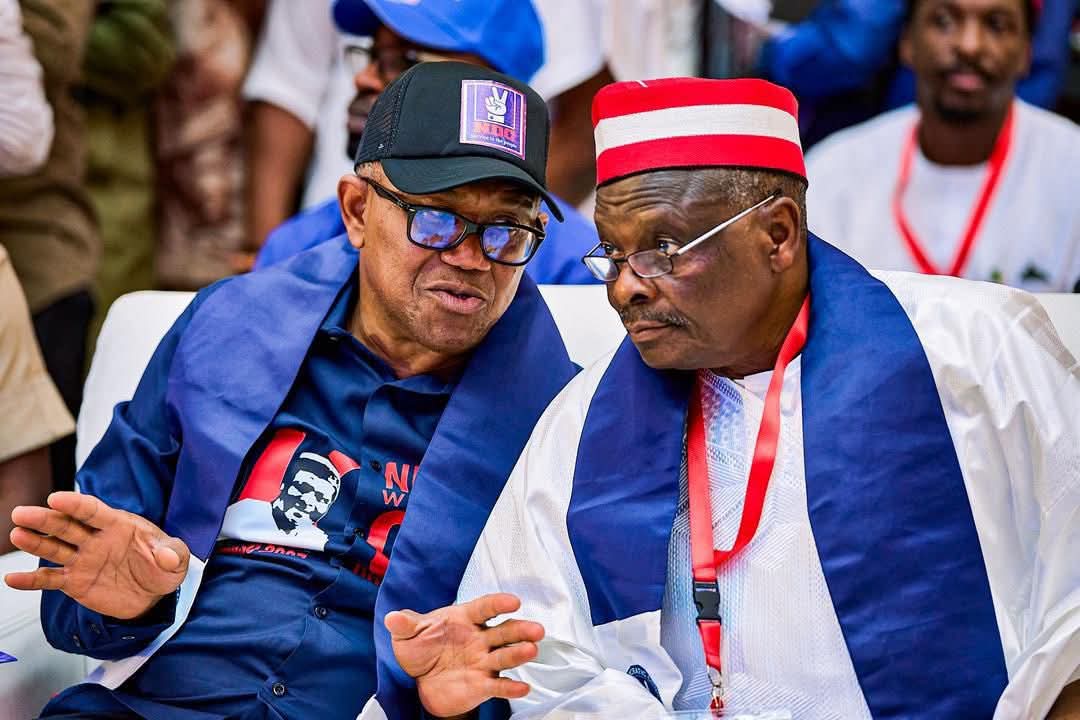
Nigeria’s democracy thrives when citizens are free to ask questions, express concerns, and engage in constructive national conversations without fear or intimidation. In every political season, movements emerge with promises of change, reform, and national transformation. One such movement that gained significant attention during the 2023 presidential election was the “Obi Mandate” led by Peter Obi.
As Nigerians continue to reflect on the country’s political future, an important question still lingers in the minds of many citizens across different regions of the federation: is the Obi Mandate purely a national political movement, or does it have ideological connections with the agitation for a Biafra nation?
This question is not raised out of hatred, tribal sentiment, or religious prejudice. Rather, it stems from the genuine concerns of Nigerians who desire unity, stability, and peaceful coexistence in a country already challenged by deep ethnic and political divisions.
As a Nigerian from Northern Nigeria, I believe every citizen, irrespective of tribe or religion, has the constitutional right to contest for leadership and aspire to occupy the highest office in the land. Democracy must always provide equal opportunity for all. However, leadership in a sensitive and diverse nation like Nigeria also requires clarity, reassurance, and the ability to inspire confidence across all regions.
Many supporters of the Obi Mandate describe it as a movement for good governance, accountability, youth inclusion, and economic reforms. These are commendable objectives that resonate with millions of Nigerians frustrated by insecurity, unemployment, corruption, and economic hardship.
Nevertheless, concerns continue to arise due to some divisive narratives and extremist rhetoric often associated with certain individuals claiming to support the movement. Social media hostility, tribal attacks, and inflammatory statements from some supporters have unfortunately created fear and suspicion among many Nigerians, particularly in the North.
For this reason, many citizens believe that the leadership of the Obi Mandate must clearly and publicly distance itself from any separatist ideology or activities capable of threatening Nigeria’s unity. Silence on issues that affect national cohesion can easily be misunderstood and may deepen political mistrust.
Nigeria needs leaders and political movements that can unite rather than divide, heal rather than inflame tensions, and reassure every ethnic and religious group that they have equal stakes in the Nigerian project.
It is important to emphasize that no Nigerian should be judged solely because of their ethnic background. At the same time, every political movement must understand that public trust is earned through transparency, inclusive language, and visible commitment to national unity.
The future of Nigeria cannot be built on fear, suspicion, or ethnic rivalry. What Nigerians truly desire today are solutions to insecurity, poverty, unemployment, poor infrastructure, and economic instability. Citizens want leadership that prioritizes competence, fairness, and national development above sectional interests.
The Obi Mandate, like every other political movement in Nigeria, must therefore continue to answer legitimate national questions with openness and sincerity if it seeks to gain the confidence of all Nigerians.
At this critical moment in our national history, the responsibility of every political actor should be to strengthen unity, protect democracy, and promote peaceful coexistence for the progress of our dear country.
Nigeria belongs to all of us.