

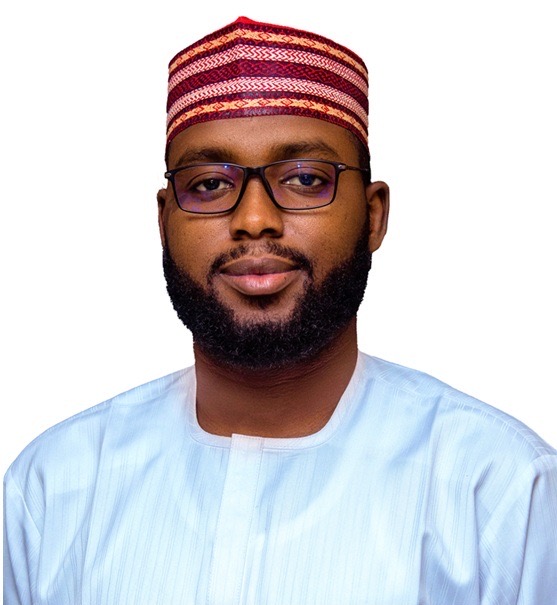
By Comrade Najeeb Nasir Ibrahim
Access to clean and safe drinking water remains one of the most fundamental responsibilities of government and a critical pillar of public health, human dignity and sustainable development. Across Kano State, the renewed investment in water infrastructure by the administration of His Excellency, Governor Abba Kabir Yusuf, represents a significant effort to address longstanding water supply challenges affecting residents of both urban and rural communities.
The ongoing interventions in the water sector demonstrate a renewed focus on rehabilitating abandoned facilities, expanding access to potable water and strengthening existing water distribution systems.
One of the major developments is the rehabilitation and upgrading of the Challawa and Tamburawa Water Treatment Plants, alongside the restoration of the Goron Dutse Reservoir. These critical facilities form part of the infrastructure required to improve water production, storage and distribution across Kano metropolis and surrounding communities.
According to government announcements, approximately ₦21.89 billion was approved for the rehabilitation and upgrading of the major water facilities. The intervention is expected to improve the availability and reliability of pipe-borne water for residents.
Another remarkable component of the administration’s water intervention is the approval of **166 solar-powered boreholes** across water-stressed communities in Kano State. According to the Ministry of Water Resources, the initiative is expected to provide approximately 4.15 million litres of water daily, potentially benefiting about 830,000 residents.
This is particularly important for rural communities where access to reliable water sources remains a major concern.
Furthermore, the government’s interventions extend beyond the major metropolitan water facilities. The rehabilitation of regional water schemes, including Joda, Kusalla, Ghari, Thomas and Guzu-Guzu, alongside selected components of the Watari Water Treatment Plant, is aimed at improving water supply coverage in communities across Gezawa, Karaye, Dambatta and Kabo Local Government Areas.
The completion of 20 solar-powered boreholes under the PEWASH Project and the ongoing construction of a new water treatment plant at Tali WaiWai in Rano Local Government Area further demonstrate the geographical spread of these interventions.
These projects are not merely about constructing infrastructure; they are about improving everyday living conditions. Reliable access to clean water reduces the burden on women and children who often travel long distances in search of water, supports healthcare facilities, strengthens sanitation and contributes to agricultural and economic activities.
However, the success of these investments must ultimately be measured by their impact on ordinary citizens. Effective project supervision, transparent implementation, proper maintenance and equitable distribution will be essential to ensuring that communities actually enjoy the benefits of these interventions.
It is also important for the relevant authorities to sustain public engagement and provide regular updates on project completion and water distribution.
Governor Abba Kabir Yusuf’s administration has placed water infrastructure among its development priorities. The ongoing rehabilitation of major facilities and expansion of community-based water projects provide an opportunity to address challenges that have affected residents for many years.
As Kano continues to grow in population and economic activities, sustainable water management must remain a long-term priority rather than a temporary intervention.
Indeed, the significance of these projects goes beyond political recognition. Their real value lies in the number of households that will enjoy clean water, the communities that will experience improved sanitation and the families that will no longer struggle to meet their daily water needs.
Water is life, and every investment that brings safe and affordable water closer to the people is an investment in the future of Kano State.