

By Mohammed Babagana
As Kano State approaches the 2027 governorship election, the future of governance, economic development and public accountability deserves serious public discussion. With its enormous human resources, commercial influence, agricultural potential and rich cultural heritage, Kano requires a development conversation that places the interests of its people at the centre of government policy.
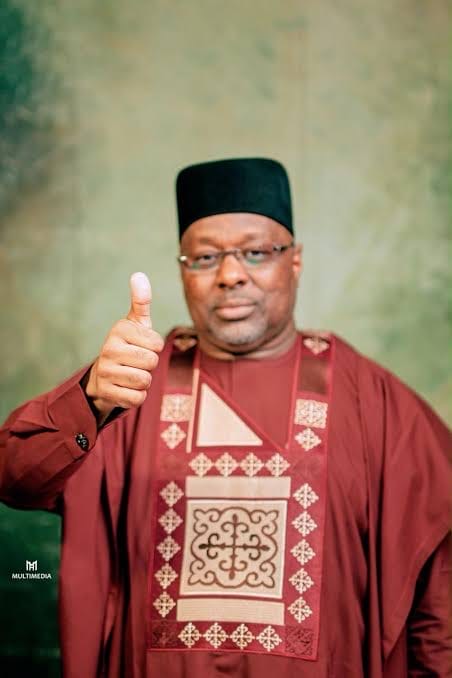
Against this background, Amb. Dr. Mukhtar Gashash, the Accord Party governorship candidate for Kano State, has introduced his governance philosophy through a manifesto titled People’s Blueprint for a Better Kano.
The blueprint is built around an important principle: “Let the People Speak. Let the People Plan. Let Government Listen. Let Us Build Kano Together.” Its accompanying slogan, “When the Weakest Smile, Kano Wins,” emphasises the importance of inclusive development and attention to citizens whose needs are often overlooked.
One of the central ideas in Gashash’s proposed approach is participatory governance. This philosophy recognises that government cannot effectively address every community’s challenges without listening to the people who experience them. Farmers, traders, women, young people, teachers, civil servants, professionals and traditional leaders all possess valuable knowledge that can contribute to effective public policy.
A particularly important proposal in the blueprint is that every local government area should develop its own development plan based on the needs and priorities of its residents. This approach recognises that the challenges of metropolitan Kano may differ significantly from those of rural communities. While some areas may prioritise roads, drainage and urban sanitation, others may require agricultural support, clean water, healthcare facilities and educational infrastructure.
For Kano’s young population, the conversation about governance must also include employment, vocational education, entrepreneurship and access to economic opportunities. Youth development should go beyond political participation and create opportunities for young people to contribute meaningfully to economic and community development.
Women also have an important place in this development conversation. Their contributions to commerce, agriculture, education, professional services and household economic activities make their participation in public planning essential. Policies concerning business opportunities, access to finance, education and healthcare should take their experiences into account.
The civil service is another important institution in the proposed development framework. Effective governance requires professional public institutions, transparent administration, responsible management and improved service delivery. Civil servants must have an enabling environment to perform their responsibilities effectively.
Equally important is the relationship between rural and urban communities. Kano’s development should not be measured exclusively by activities within the metropolitan area. Rural communities require attention to agricultural productivity, transportation, water supply, education and healthcare, while urban communities need effective planning, environmental management, drainage and infrastructure.
Gashash’s description of government as the people’s home also introduces an important question about public accessibility. Government should provide citizens with meaningful opportunities to present grievances, make suggestions and seek information about public programmes. Transparency and accountability should be reflected in the daily operation of public institutions.
However, the success of any development blueprint will ultimately depend on implementation. Clear priorities, realistic budgeting, institutional capacity, transparent procurement, measurable targets and regular public reporting will be necessary to translate its proposals into practical results.
The 2027 governorship election offers the people of Kano an opportunity to examine the different visions presented by political candidates. Citizens should carefully consider their proposals, question their feasibility and assess how effectively each candidate intends to address the state’s development challenges.
Amb. Dr. Mukhtar Gashash’s People’s Blueprint for a Better Kano places community participation and inclusive governance at the centre of its proposed approach. Its central message is that government planning should involve the people, and public development should respond to their actual needs.
Ultimately, the future of Kano should be shaped by informed citizens, accountable institutions and development policies whose results can be measured in the lives of ordinary people.
When the weakest smile, Kano wins.
Mohammed Babagana is a public affairs writer and political commentator.