

By Nworisa Michael
There are moments in public service when a person’s contribution becomes so visible that their absence from an important assignment raises questions. This does not necessarily mean the person was entitled to the position or that the omission was deliberate. Administrative, strategic or other reasons may exist. But in politics, decisions are judged not only by intention but also by the message they send.
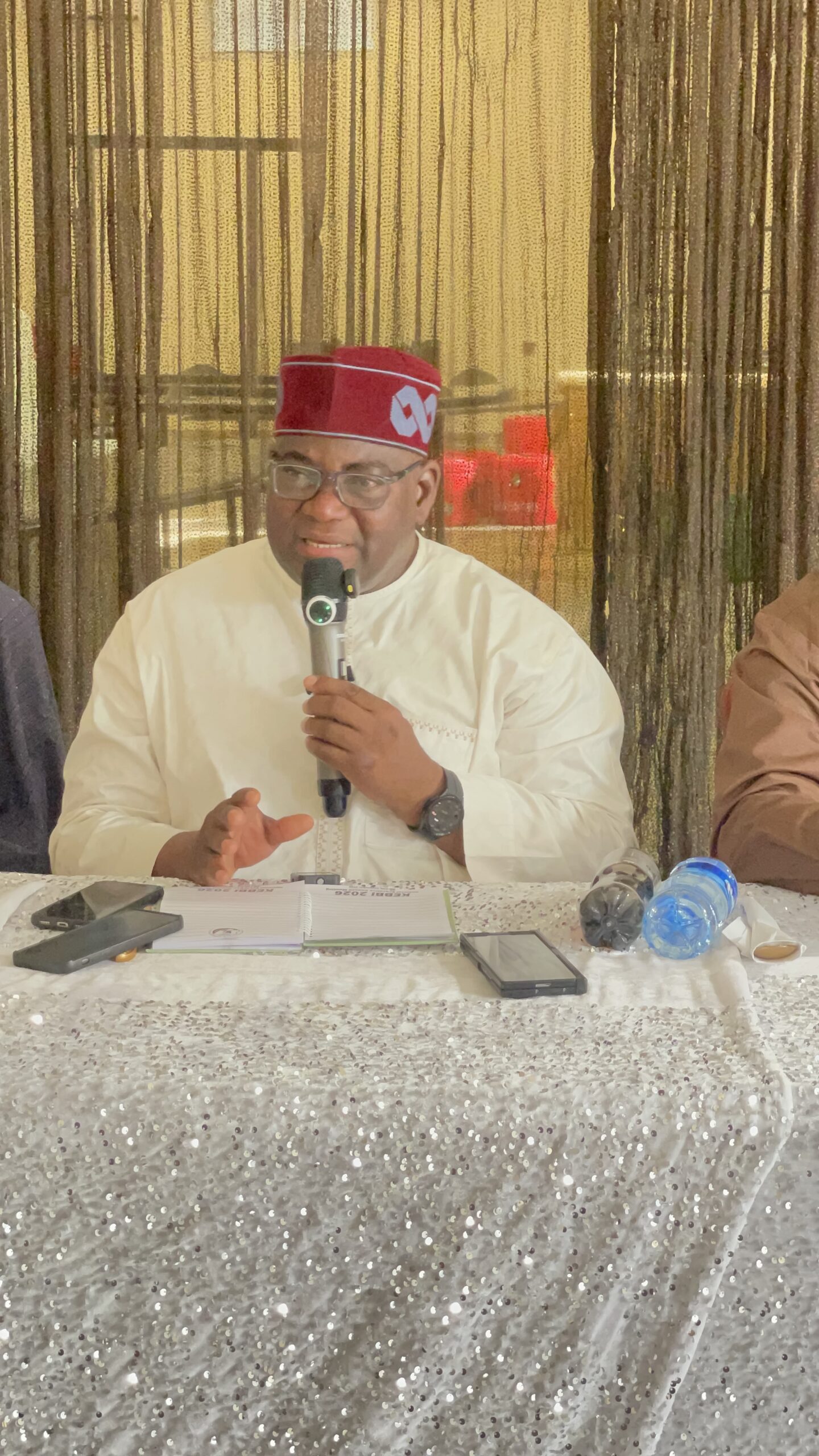
That is why the exclusion of Comrade Dr. Ibrahim Abdullahi Waiya, Kano State Commissioner for Information and Internal Affairs, from the recently constituted presidential and gubernatorial campaign council deserves attention. With more than 200 members, the council is a significant political structure. Yet, a commissioner responsible for explaining government policies, activities and responses to criticism is absent
I raise this issue not because every public official must belong to every committee, but because Waiya’s role in shaping the communication of Governor Abba Kabir Yusuf’s administration deserves recognition.
Kano is politically conscious, with deeply rooted identities and a long history of organisation and mobilisation. In such an environment, government communication is not a minor responsibility. How achievements are presented, shortcomings addressed and criticism answered can shape how citizens understand the administration’s performance.
Under Waiya’s watch, government communication has become more visible. The development of digital communication structures, alongside stronger engagement with the media and the public, reflects the reality that information management now extends beyond press statements. Government must reach citizens where conversations are taking place, provide timely information and correct misunderstandings.
This does not mean every communication challenge has been solved or that Waiya deserves credit for every positive discussion about the administration. It means that his portfolio has become an important part of how the government presents itself and engages with the people.
Another notable development is the growing number of citizens willing to defend the administration in public discussions. Some may be political supporters, while others may simply believe that government activities should be assessed fairly. Not everyone who speaks in defence of a government is a paid aide, and not every independent supporter was mobilised by a particular commissioner. Still, increased citizen participation in public communication is worth noting.
The Kano Development Forum’s response to Pulse Nigeria’s report on alleged underwear distribution as an empowerment initiative is one example. Through its Secretary, Nworisa Michael, the Forum challenged the publication and called for a correction. Pulse Nigeria later issued an apology and clarification. The episode showed that civic groups can demand accuracy from media organisations without holding government positions.
The wider lesson is that government communication is no longer limited to official channels. Citizens, community groups and independent voices can also help examine and correct public narratives. This should not be confused with blind support for the administration. The same civic space must remain open to justified criticism.
This is the context in which Waiya’s contribution should be viewed. His importance cannot be measured only by press releases or online appearances. It should also be considered in relation to the broader communication environment: the ministry’s ability to provide information, engage the media and encourage public discussion based on facts.
Against this background, his absence from a campaign council of more than 200 members naturally raises questions. Some may see it as a sign that his contribution is not fully recognised. Others may believe the Governor has different responsibilities in mind for him. Some may suspect internal political interests. Without evidence, however, none of these interpretations should be treated as fact.
The Governor may have reasons for the council’s composition that are not public. Waiya may have responsibilities that make his exclusion less significant than it appears. The omission may also simply reflect the council’s structure rather than a judgment on his performance.
Even so, public perception remains important. When an official becomes associated with a visible area of government activity, their absence from a prominent assignment can create an unintended narrative. People may question whether the official’s work is valued or whether internal considerations influenced the decision.
The issue, therefore, is not whether Waiya must receive a particular title or belong to every political structure. No official is entitled to every appointment. The question is whether the government’s decisions clearly reflect the contributions it considers important to its objectives.
Governor Abba Kabir Yusuf has the authority to determine the composition of his political and administrative structures. He also has the opportunity to ensure that people whose work supports the administration’s public engagement are properly recognised and deployed. If Waiya’s work is valuable, his responsibilities should not be obscured by an omission whose meaning the public is left to guess.
Recognition does not have to come through membership of a campaign council. It may involve another assignment, a clearly defined responsibility or an explanation that reduces speculation. What matters is that public officials are assessed fairly and that avoidable uncertainty does not overshadow their work.
Political actors should also avoid rushing to blame internal rivals. Suspicion is not proof. The responsible approach is to establish the facts, understand the process and allow the appropriate authorities to clarify the decision.
My interest is not to create controversy around Waiya or reduce his contribution to membership of a campaign council. It is because his portfolio affects the administration’s relationship with the public that the implications of his exclusion deserve thoughtful consideration.
Different people contribute to government in different ways. Some mobilise, some organise, some communicate and others coordinate. The question is whether the structures created by the government reflect these different responsibilities.
For Waiya, the true measure of his service should be the quality and impact of his work, not merely the positions attached to his name. For Governor Abba, the priority should be making effective use of the people and institutions available to him. For the public, the responsibility is to ask questions without turning speculation into fact.
I hope this issue becomes an opportunity for reflection rather than division. If there are strategic reasons behind the decision, clarity can reduce uncertainty. If the omission was an oversight, it can be acknowledged. If the Governor has other plans for the commissioner, communicating them may prevent an unintended impression from taking root.
Ultimately, the question is not simply why Waiya’s name is missing from a list of more than 200 people. The deeper question is what the administration wants the public to understand about the value it places on effective communication and the people responsible for it.
Governor Abba, public perception is not always the same as reality, but it is part of the reality every government must manage. A decision may have a reasonable explanation and still create an unintended impression. Where an official’s contribution has become a subject of public discussion, clarity and thoughtful recognition can prevent unnecessary speculation.
Waiya’s contribution should be assessed on its merits, his exclusion should not automatically be treated as hostility, and the Governor should have the space to explain his decisions. But the questions raised by this episode are worth considering. In public service, the work matters, recognition matters and the message decisions send to the public matters too.
Nworisa Michael is the coordinator of Inter-tribe Community Support Forum and writes from nworisamichael1917@gmail.com