

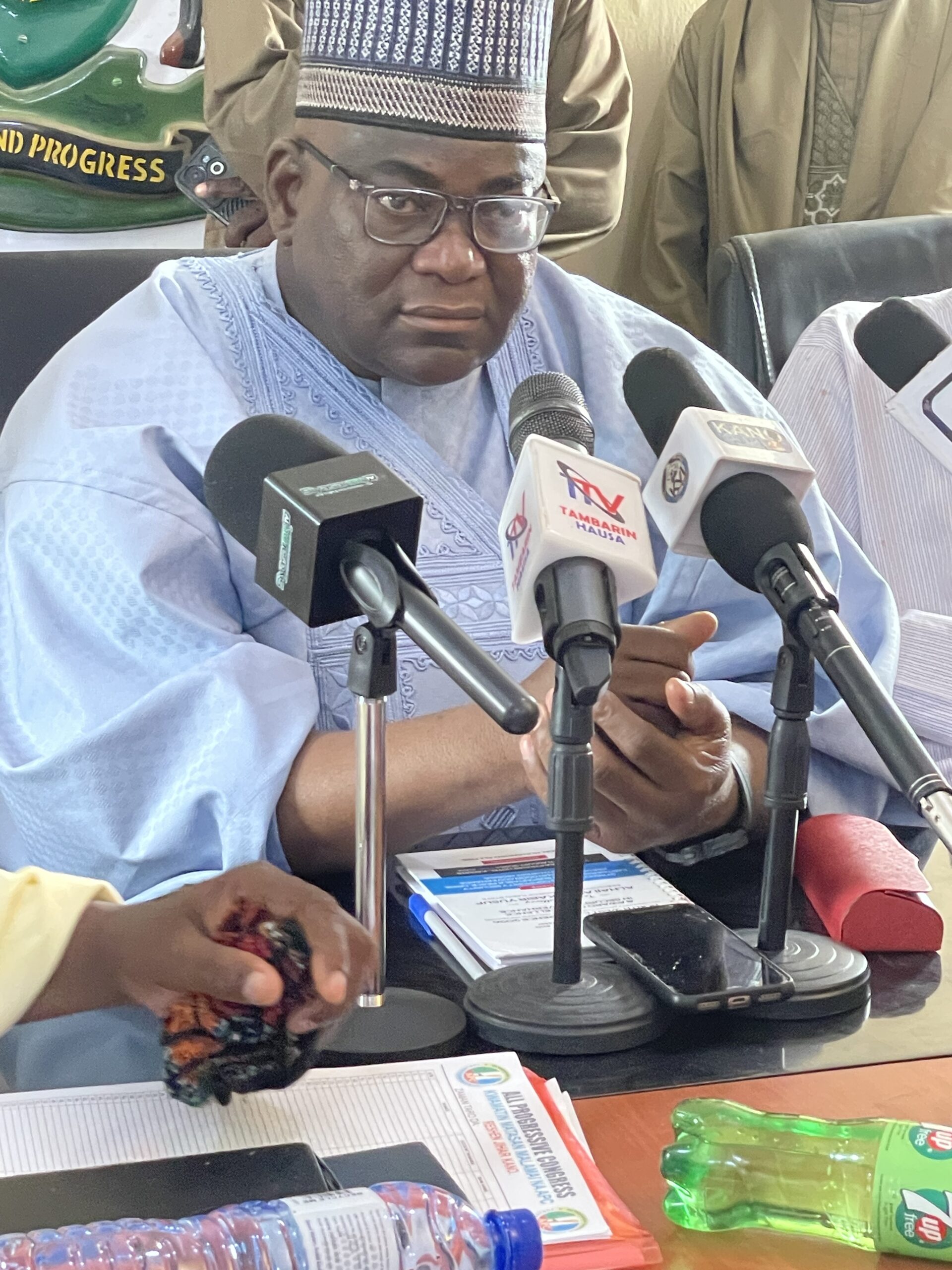
ABDULLAHI SALE LAWAN GWARZO HIGHLIGHTS COMMISSIONER’S ROLE IN PUBLIC ENLIGHTENMENT, YOUTH ENGAGEMENT AND GOVERNMENT COMMUNICATION
By : Ahmad Muhammad Sani Gwarzo , Anipr.
KANO STATE — The Honourable Commissioner for Information and Internal Affairs, Comrade Dr. Ibrahim Abdullahi Waiya, has been described as an example of dynamic leadership among political appointees in Kano State, particularly in the areas of public enlightenment, information dissemination, institutional development and youth engagement.
The commendation was made by an APC stalwart from the Gwarzo/Kabo Federal Constituency, Comrade Abdullahi Sale Lawan Gwarzo, who is associated with the APC Youth Voice for Door-to-Door Campaign Movement and Mobilisation.
While shedding more light on the contributions of youth organisations towards supporting the administration of the Executive Governor of Kano State, Alhaji Abba Kabir Yusuf, FNISE, Comrade Abdullahi Sale Lawan Gwarzo highlighted the importance of communication, grassroots engagement and organised mobilisation in contemporary governance.
He explained that the position occupied by Comrade Dr. Ibrahim Abdullahi Waiya places him at the centre of an important responsibility: ensuring that government policies, programmes and development initiatives are communicated effectively to the people across the state.
According to him, leadership in the information sector requires more than the ability to issue official statements or address public gatherings. It demands strategic thinking, patience, administrative discipline, professional competence and a genuine commitment to keeping citizens informed.
He observed that public enlightenment is an essential component of democratic governance because citizens need reliable information to understand government decisions, assess public policies and participate meaningfully in matters affecting their communities.
Comrade Abdullahi Sale Lawan Gwarzo maintained that a commissioner who understands the importance of communication can contribute significantly to strengthening the relationship between government institutions and the people they serve.
He described Waiya’s public communication responsibilities as an important platform for encouraging constructive dialogue, explaining government activities and creating opportunities for citizens to express their concerns through appropriate channels.
The APC stalwart further noted that dynamic leadership should be reflected in practical actions, institutional coordination, accessibility and a willingness to work with different stakeholders towards shared objectives.
He stressed that the development of Kano State requires cooperation among political officeholders, civil servants, traditional institutions, community leaders, professional organisations, youth groups and other segments of society.
In his assessment, the involvement of youth organisations in community engagement provides an opportunity to connect political and government messages with the realities of ordinary residents, particularly those whose concerns may not always receive sufficient attention.
He explained that young people possess considerable potential to contribute to public awareness, community development, peaceful political participation and the dissemination of verified information when their activities are properly organised.
The APC Youth Voice for Door-to-Door Campaign Movement and Mobilisation, as described by Comrade Abdullahi Sale Lawan Gwarzo, represents an approach to grassroots contact in which direct interaction with residents can complement wider public communication efforts.
Through door-to-door engagement, organisers can listen to community members, explain relevant public programmes, respond to questions and identify issues requiring further attention from the appropriate authorities.
He emphasised, however, that successful mobilisation should not be measured only by the number of meetings held or households visited. It should also be assessed through the quality of information shared, the respect shown to residents and the willingness of organisers to listen.
Comrade Abdullahi Sale Lawan Gwarzo added that the involvement of young people in public affairs should encourage responsibility, tolerance, peaceful conduct and respect for the rights of citizens who may hold different political opinions.
He maintained that political mobilisation is most constructive when it is based on dialogue, factual communication and lawful participation rather than intimidation, hostility or the spread of unverified claims.
The APC stalwart also highlighted the importance of coordination between youth organisations and the relevant communication institutions to avoid misinformation and ensure that public statements are properly understood.
He said that the Commissioner for Information and Internal Affairs has an important responsibility in promoting accurate information and supporting communication systems capable of reaching communities across Kano State.
According to him, effective public communication can help residents understand government priorities in education, healthcare, infrastructure, social welfare, agriculture, employment and other areas of public interest.
He noted that when information about public programmes is communicated clearly, citizens are better positioned to ask questions, understand eligibility requirements and assess how particular initiatives affect their communities.
Comrade Abdullahi Sale Lawan Gwarzo further argued that the credibility of government communication depends on consistency, transparency, accuracy and the readiness of public institutions to address reasonable questions from members of the public.
He said that public enlightenment should not be restricted to urban centres or communities with easy access to digital platforms. Rural settlements and underserved populations also require appropriate communication channels.
He therefore stressed the importance of combining traditional media, community-based communication, public meetings and digital platforms to expand the reach of official information.
The APC stalwart observed that the changing media environment has made professional communication increasingly important, as information can spread rapidly across social networks before its accuracy has been established.
He maintained that public officers and political organisers must consequently demonstrate responsibility by checking information before publication and correcting errors when they occur.
In his view, the development of a well-informed public requires collaboration among journalists, government communication officers, media organisations, civil society groups and responsible community influencers.
He also pointed to the value of professional development, institutional capacity-building and the responsible use of technology in improving information management and public service delivery.
Comrade Abdullahi Sale Lawan Gwarzo stated that leadership by example becomes meaningful when public officeholders demonstrate accountability, encourage teamwork and support systems that continue to function beyond the influence of any individual.
He explained that the performance of a commissioner should therefore be considered alongside tangible institutional improvements, the quality of public information, stakeholder engagement and the effectiveness of communication channels available to citizens.
He added that public appreciation for government activities should emerge from citizens’ understanding of documented policies and their observable outcomes, rather than from exaggerated claims or unsupported political assertions.
The APC stalwart also underscored the importance of maintaining a constructive relationship between the state government and youth organisations, noting that young people can contribute useful ideas on education, digital innovation, entrepreneurship, security awareness and community development.
He said that youth engagement becomes more productive when young participants receive appropriate guidance, understand their responsibilities and are encouraged to contribute to discussions about the future of their communities.
According to him, the role of Comrade Dr. Ibrahim Abdullahi Waiya in information and internal affairs offers an opportunity to strengthen these relationships through structured communication, stakeholder consultations and public enlightenment programmes.
He maintained that the Commissioner’s responsibilities should continue to be approached with professionalism, respect for public institutions and a commitment to communicating information that serves the public interest.
Comrade Abdullahi Sale Lawan Gwarzo further emphasised that the administration of Governor Abba Kabir Yusuf can benefit from effective communication when government programmes are explained clearly and citizens are given appropriate opportunities to provide feedback.
He noted that development initiatives require not only planning and implementation but also public awareness, community cooperation and reliable information about progress, challenges and expected benefits.
He called on youth organisations, political stakeholders and community leaders to sustain peaceful engagement, avoid divisive rhetoric and promote an atmosphere in which public issues can be discussed responsibly.
He also encouraged residents to obtain information from credible sources, verify claims circulating on social media and participate in civic activities with an understanding of their rights and responsibilities.
The APC stalwart maintained that the future of Kano State depends partly on the ability of its institutions and citizens to work together, strengthen public trust and promote development through responsible engagement.
He concluded that the recognition accorded to Comrade Dr. Ibrahim Abdullahi Waiya reflects the importance of communication-centred leadership and the contribution that organised youth participation can make to public affairs when conducted peacefully and responsibly.
Ultimately, the value of dynamic leadership lies in measurable performance, institutional progress, transparency and service to the people. These principles provide a practical basis for assessing the work of public appointees and strengthening cooperation among government institutions, political organisations and communities throughout Kano State.