

By Comrade Najeeb Nasir
The exclusion of the Kano State Commissioner for Information and Internal Affairs from the recently held Arewa Media Summit has continued to generate discussion among media professionals, public affairs commentators, and stakeholders across Northern Nigeria.
The summit, hosted in Kano, brought together senior government officials, media executives, journalists, academics, and communication experts to deliberate on the role of the media in promoting development, national cohesion, and responsible journalism across the region. The event was convened under the leadership of the Senior Special Assistant to the President on Media.
While participants acknowledged the significance of the summit and the relevance of its objectives, public attention has increasingly focused on the absence of the host state’s Commissioner for Information and Internal Affairs, a development many observers described as surprising.
The Commissioner has, over the past few years, played a prominent role in repositioning the Ministry of Information and Internal Affairs in Kano State through reforms aimed at strengthening government communication, improving engagement with media stakeholders, promoting transparency, and enhancing public information management. His leadership has also encouraged closer collaboration between government institutions, journalists, civil society organisations, and community-based communication platforms.
Beyond Kano State, he has become an active voice in national conversations on public communication, media responsibility, and information management. Through participation in national conferences, policy engagements, and intergovernmental forums, he has contributed to discussions on strengthening public information systems and promoting responsible media practices across Nigeria.
Given these contributions, several observers argued that his involvement in both the planning and execution of the summit would have added institutional experience and strengthened coordination between the organisers and the Kano State Government. They believe his participation could have further enhanced the quality and overall impact of the event.
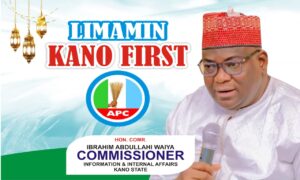
Although differing accounts have emerged regarding his absence, sources familiar with the matter maintain that the Commissioner was not formally invited to the summit. If that account is accurate, analysts say his decision not to attend would be consistent with established government protocol, as public office holders typically participate in official engagements through formal invitations.
The development has also fueled public speculation about the circumstances surrounding his exclusion. However, there has been no official indication that the Kano State Government has withdrawn its confidence in the Commissioner, who continues to play a central role in implementing the state’s communication and public engagement policies.
In recent months and days, the Commissioner has continued to receive commendations from professional bodies, media organisations, civil society groups, and other stakeholders for his commitment to institutional reforms, strategic communication, and the promotion of ethical information management. He has remained visible at both state and national engagements, where he has consistently advocated responsible journalism, effective public communication, and stronger collaboration between government and the media. His growing profile on the national stage has further reinforced his reputation as one of the leading public information managers in Northern Nigeria, with many stakeholders acknowledging his contributions to strengthening information management, public engagement, and institutional communication.
As discussions surrounding the summit continue, many stakeholders have called for greater inclusiveness, stronger institutional collaboration, and improved coordination in the planning of future regional engagements. They argue that the active participation of all relevant government institutions is essential to achieving the objectives of such high-profile gatherings and strengthening public confidence in their outcomes.
Ultimately, the controversy surrounding the Arewa Media Summit underscores the importance of stakeholder engagement, institutional respect, and effective collaboration in advancing the collective aspirations of the media industry and the development agenda of Northern Nigeria.