

By Comrade Najeeb Nasir Ibrahim
Politics should never be reduced to slogans, propaganda, or blind loyalty. The true test of any government is not the promises it makes during campaigns but the visible impact of its policies on the lives of ordinary people. Roads can be seen, schools can be visited, hospitals can be assessed, and the welfare of citizens can be measured. Leadership, therefore, must be judged by performance rather than political sentiment.
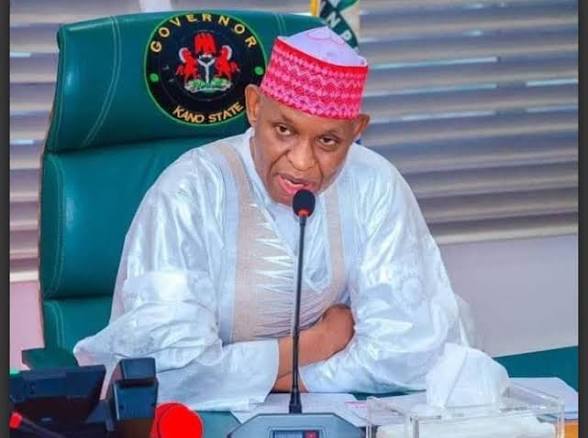
As a proud son of Kano, I believe Governor Abba Kabir Yusuf’s administration has brought a remarkable transformation to our dear state. Across Kano, the signs of development are increasingly visible. Urban renewal projects, rehabilitation of major roads, investments in education, improvements in healthcare, and efforts to strengthen public institutions have given many residents renewed confidence in the direction of the state.
For decades, Kano has been regarded as the commercial heartbeat of Northern Nigeria. Such a historic city deserves modern infrastructure, quality public services, and a government that prioritizes the welfare of its people. In my view, the current administration has made meaningful progress toward restoring Kano’s status as one of Nigeria’s leading cities.
One of the most important qualities of leadership is commitment to campaign promises. While no government can realistically achieve every objective within a single term, many supporters believe Governor Abba Kabir Yusuf has fulfilled or made substantial progress on the vast majority of the commitments he made to the people of Kano. This perception has strengthened public confidence in his administration.
Critics will always exist in a democracy, and constructive criticism is essential for good governance. However, criticism should be based on facts and balanced assessment rather than political bias. Every administration faces economic constraints, security concerns, and institutional challenges. What matters is whether a government continues to move forward despite these obstacles.
Continuity is often a crucial ingredient for sustainable development. Major infrastructure projects, educational reforms, healthcare improvements, and economic initiatives require time to mature. Abrupt changes in leadership can interrupt policies before citizens fully benefit from them. Where a government is making measurable progress, continuity can help ensure that ongoing projects are completed and new opportunities are created.
As Kano approaches another electoral cycle, citizens should carefully evaluate every candidate based on competence, integrity, and performance. Elections should not be contests of emotion but opportunities to choose the leadership most capable of advancing the state’s development.
In my opinion, Governor Abba Kabir Yusuf has earned serious consideration for a second term. The visible transformation witnessed by many residents, together with the administration’s efforts to improve public services and infrastructure, provides a compelling case for continuity. The responsibility now rests with the people of Kano to decide the future they desire through informed and peaceful democratic participation.
Kano’s greatness has never depended on politics alone. It has always depended on the collective determination of its people to build a prosperous, peaceful, and progressive society. If that vision is to be sustained, then every citizen must place the interests of Kano above personal and political interests.
May Allah continue to bless Kano State and the Federal Republic of Nigeria.