
By Munir I. Publisher
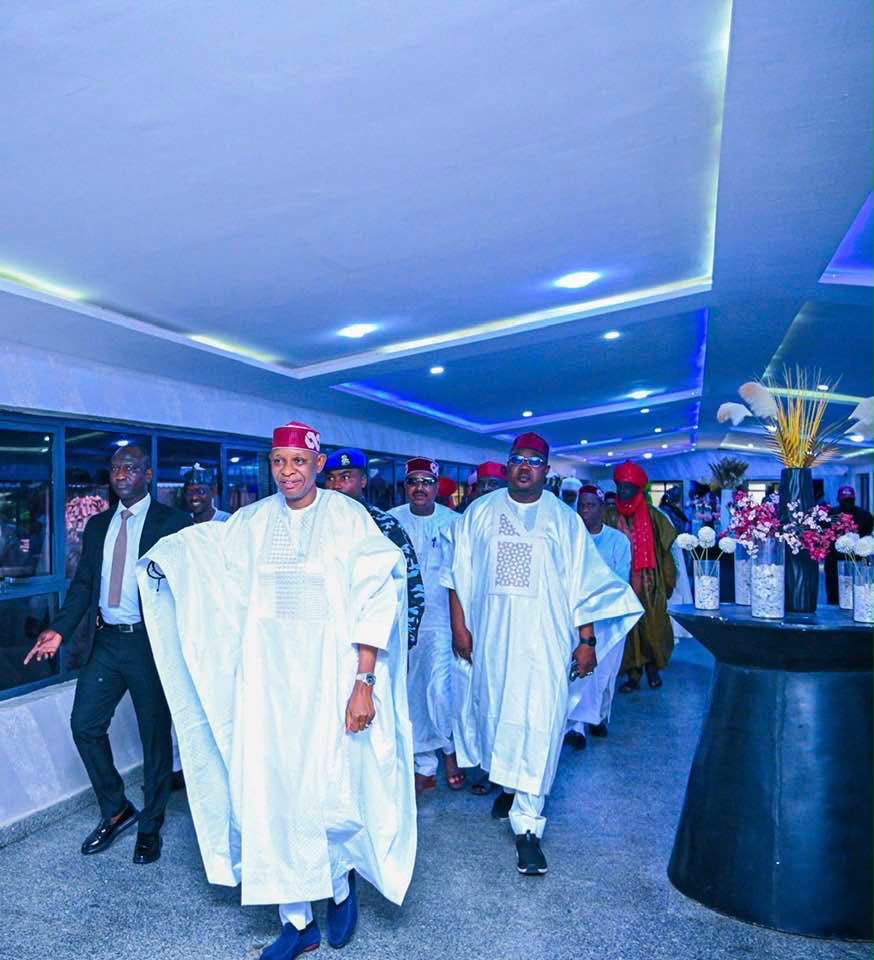
The Kano State Executive Council’s recent approval of projects and programmes valued at ₦55.48 billion marks a substantial commitment to the state’s long-term development goals. These decisions, taken during the Council’s 40th meeting under the chairmanship of Governor Abba Kabir Yusuf, span vital sectors including education, healthcare, infrastructure, water resources, environmental management, and rural development. Collectively, they reflect a deliberate and multifaceted approach to strengthening public service delivery and laying a foundation for inclusive growth.
Particularly noteworthy is the prioritisation of education, which received the largest share of the allocation. The planned renovation of public schools, construction of new classrooms, rehabilitation of science and technical colleges, provision of essential learning facilities, support for special education programmes, and the establishment of the Maryam Abba Yusuf Modern Learning Centre underscore a clear recognition that quality education forms the bedrock of sustainable development. By investing heavily in human capital at this foundational level, the government is positioning Kano to build a more skilled, innovative, and economically competitive population for generations to come.
The Council’s continued focus on healthcare is equally commendable. Initiatives such as the construction and upgrading of primary healthcare centres, procurement of modern medical equipment, and enhancements to specialised facilities promise to expand access to quality care, bolster system resilience, and improve health outcomes across urban and rural communities. In a state with significant population pressures, these interventions could meaningfully reduce preventable diseases and ease the burden on existing facilities.
Road infrastructure and related drainage systems also feature prominently in the approvals. Enhanced connectivity is critical for facilitating commerce, lowering transportation costs, improving mobility, and stimulating economic activity. The allocation of over ₦6.77 billion in compensation to residents affected by these projects further demonstrates a commitment to fairness and due process, qualities essential for maintaining public trust and ensuring responsible governance.
Complementing these efforts are targeted investments in water supply, environmental sanitation, and rural development. Funding for water infrastructure, drainage maintenance, environmental upgrades, and the Rural Access and Agricultural Marketing Project (RAAMP) addresses interconnected challenges: improving access to potable water, promoting cleaner living environments, boosting agricultural productivity, and expanding economic opportunities for rural populations. These measures recognise that sustainable development must extend beyond cities to encompass the entire state.
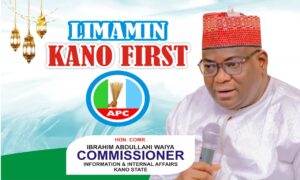
Beyond physical infrastructure, the approvals reflect an appreciation for institutional strengthening. Investments in public information systems, capacity building for information officers, and the transmission of key health-related bills to the Kano State House of Assembly highlight the understanding that enduring progress depends not only on tangible assets but also on effective policies, transparent administration, and capable institutions.
A Balanced and Holistic Strategy
One of the most impressive aspects of this package is its sectoral balance, rather than pursuing narrow priorities, the government has distributed resources across education, healthcare, transportation, water, environment, housing, rural development, and governance institutions. This integrated approach increases the potential for synergistic benefits, for instance, better roads can improve access to schools and clinics, while stronger institutions ensure more efficient project delivery. Such holistic planning is often more effective in addressing complex socioeconomic challenges than siloed interventions.
Of course, approvals represent only the first steps, the real test lies in execution, success will hinge on several critical factors: transparent procurement processes, rigorous financial oversight, timely implementation, effective monitoring and evaluation, and meaningful community engagement. Potential challenges such as supply chain delays, inflationary pressures, or coordination across ministries, should be anticipated and managed proactively. If these projects are delivered with integrity and efficiency, they stand to deliver lasting dividends: stronger infrastructure, improved service delivery, economic stimulus, job creation, and renewed public confidence in government.
Therefore, the Kano State Executive Council’s ₦55.48 billion approvals reflect a forward-looking vision that places citizens’ needs at the centre of governance. By tackling foundational sectors in a coordinated manner, the administration is demonstrating both ambition and pragmatism. Should these initiatives be successfully realised, they have the potential to meaningfully elevate living standards and accelerate Kano’s development trajectory. The government deserves credit for this comprehensive investment in the state’s future.