

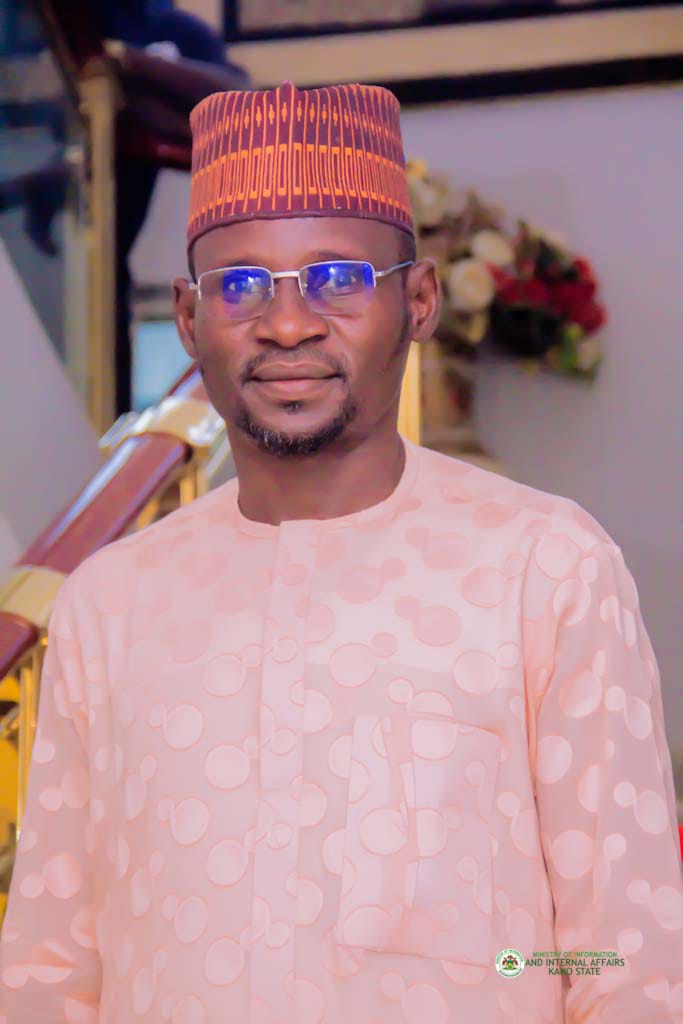

By Hon. Adamu Abdullahi, PA
Chairman, Kwalliya Ta Biya Kudin Sabulu
Governance is ultimately measured not by promises made during campaigns but by the quality of life it creates for citizens. Roads, schools, hospitals, security, agriculture, economic opportunities, environmental protection and social welfare together form the foundation upon which history judges every administration. It is within this broader context that the performance of Governor Abba Kabir Yusuf’s administration deserves careful and objective examination.
Kano State occupies a unique position in Nigeria. As the most populous state in the country and one of West Africa’s oldest commercial centres, its economic fortunes influence not only Northern Nigeria but the entire nation. For centuries, Kano has been recognised for commerce, agriculture, manufacturing, education and entrepreneurship. Any government entrusted with leading such a strategic state carries an enormous responsibility to preserve this legacy while preparing it for the future.
Since assuming office, Governor Abba Kabir Yusuf has presented governance as a vehicle for rebuilding public confidence through visible development and people-oriented policies. Across multiple sectors, the administration has pursued programmes aimed at restoring public infrastructure, strengthening social services and expanding economic opportunities.
Perhaps the most visible area of intervention has been infrastructure and urban renewal. Major road construction and rehabilitation projects, bridge construction, drainage expansion, street lighting, environmental sanitation and the beautification of strategic public spaces have transformed significant parts of Kano. These investments are intended not only to improve the physical appearance of the state but also to facilitate commerce, reduce travel time, improve security and attract private investment. Modern infrastructure remains one of the strongest indicators of long-term economic competitiveness.
The administration has also demonstrated a renewed commitment to agriculture, recognising that Kano’s prosperity has historically been rooted in farming and agro-commerce. The distribution of subsidised fertiliser, support for farmers and efforts to strengthen agricultural productivity reflect an understanding that food security and rural development remain essential components of economic growth. By reducing production costs for farmers, government intervention has the potential to improve harvests, raise rural incomes and contribute to national food security.
Education continues to receive considerable attention under the present administration. Investments in school rehabilitation, classroom construction, learning materials and efforts to improve access to education demonstrate a recognition that human capital is the most valuable resource any society possesses. A modern economy cannot be built without an educated and skilled population capable of driving innovation and enterprise.
In the health sector, continued improvements in hospitals, primary healthcare facilities and medical services represent important steps towards strengthening public health. Accessible healthcare not only improves life expectancy but also enhances productivity by ensuring that citizens remain healthy enough to contribute meaningfully to economic development.
Youth and women remain central to Kano’s demographic strength. Various empowerment initiatives, skills acquisition programmes and support for small businesses seek to address unemployment while encouraging entrepreneurship. Sustainable development depends on creating opportunities that enable young people to transform their talents into productive enterprises capable of generating employment for others.
Environmental sustainability has also emerged as an important component of governance. Flood control projects, drainage rehabilitation, sanitation campaigns and waste management initiatives contribute to healthier communities while protecting infrastructure from environmental degradation. Clean and well-managed cities attract investment, improve tourism potential and enhance public confidence.
Economic development extends beyond government spending. The administration’s infrastructure investments aim to create an enabling environment for domestic and international investors. Efficient transportation networks, improved markets, stable public infrastructure and better urban planning reduce the cost of doing business and encourage industrial expansion. Kano’s strategic location continues to position it as a gateway for trade across Northern Nigeria and neighbouring West African countries.
Security remains fundamental to development. While security is a shared responsibility between federal and state institutions, the administration has continued to support security agencies through logistics, collaboration and community engagement. Peace and stability remain indispensable prerequisites for investment, education and economic growth.
One of the defining characteristics of democratic governance is responsiveness to the needs of ordinary citizens. Public projects become meaningful only when they improve everyday life by reducing transportation costs, expanding educational opportunities, improving healthcare, supporting farmers, empowering entrepreneurs and creating employment. Development is ultimately measured by its impact on people rather than the number of projects commissioned.
Nevertheless, every responsible assessment must acknowledge that governance is an ongoing process rather than a finished achievement. Infrastructure requires continuous maintenance. Public institutions require transparency and accountability. Economic diversification must continue. Affordable housing, digital innovation, industrialisation, environmental protection and improved internally generated revenue remain areas requiring sustained attention. Lasting development depends as much on institutional strength as on physical projects.
History consistently demonstrates that successful societies invest simultaneously in physical infrastructure and human capital. Roads connect markets, but education creates innovators. Hospitals preserve human productivity. Agriculture feeds the population. Technology drives competitiveness. Strong institutions guarantee continuity beyond political transitions. Sustainable governance requires balanced investment across all these sectors.
Governor Abba Kabir Yusuf’s administration has undoubtedly placed development at the centre of public policy. While history will provide the final verdict after the completion of ongoing projects and reforms, the administration has shown a determination to reposition Kano through investments in infrastructure, agriculture, education, healthcare, environmental management and social development.
Beyond politics, every genuine effort that improves the welfare of citizens deserves recognition. Democracy is strengthened when governments are evaluated fairly commended for measurable achievements while constructively challenged to address existing shortcomings. Balanced assessment encourages better governance than either blind loyalty or indiscriminate criticism.
The future of Kano will not be determined solely by the achievements of one administration. It will depend upon continuity of sound policies, responsible leadership, active citizen participation and institutions capable of sustaining progress across generations. If successive governments build upon the current momentum while maintaining transparency, fiscal discipline and inclusive development, Kano can consolidate its position as Northern Nigeria’s foremost commercial, industrial and cultural powerhouse.
Great cities are not built in a single political term. They emerge through decades of visionary leadership, disciplined planning and collective commitment. The true legacy of Governor Abba Kabir Yusuf’s administration will therefore be measured not only by the projects completed today but by the enduring foundation they provide for a stronger, more prosperous and globally competitive Kano tomorrow.