

The Kano State Government has approved the commencement of Phase III of the Safe Corridor Programme, a major youth rehabilitation and empowerment initiative aimed at transforming the lives of repentant youths across the state.
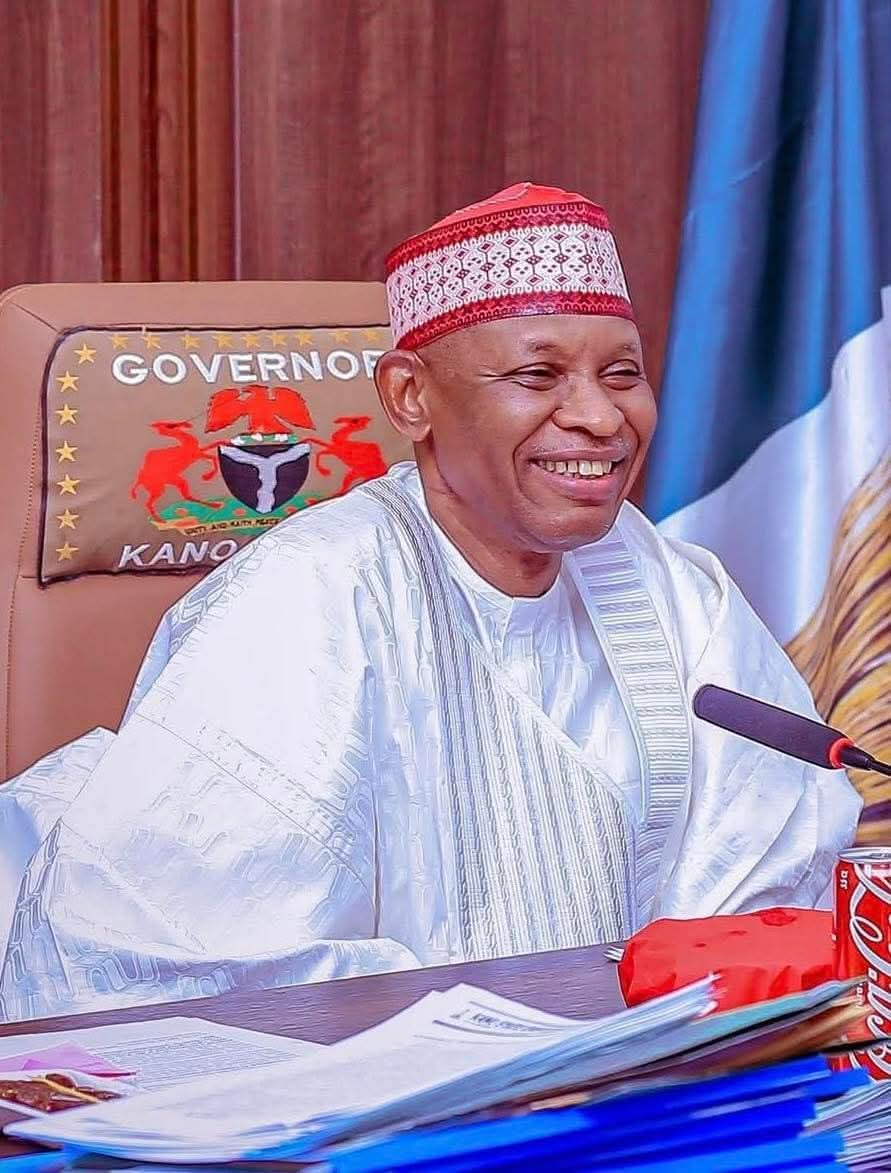
The approval was granted by the Executive Council under the leadership of the Governor of Kano State, Abba Kabir Yusuf, during the Council meeting held on April 28, 2026, at the Kano State Government House.
The initiative, which targets the rehabilitation of 1,000 youths in its first phase, has been widely described as a bold and compassionate step toward addressing youth-related social challenges through rehabilitation, mentorship, education, and empowerment.
Observers say the programme reflects the administration’s commitment to restoring hope and dignity to young people who may have been involved in political violence, thuggery, and other destructive activities due to unemployment, peer pressure, hardship, and societal neglect.
Speaking on the significance of the programme, supporters of the initiative noted that Governor Yusuf has continued to demonstrate leadership focused not only on infrastructural development but also on human capital development and social transformation.
The Safe Corridor Programme is expected to provide participants with rehabilitation opportunities, mentorship, economic support, and reintegration pathways to enable them become productive members of society.
The initiative has also drawn commendation for the role played by the Kano State Commissioner for Information and Internal Affairs, Ibrahim Abdullahi Waiya, whose efforts in youth rehabilitation and peace building have been acknowledged by community stakeholders.
Reports indicate that the Commissioner has been actively engaging traditional institutions, community leaders, and relevant stakeholders to promote peaceful coexistence and encourage youths to embrace positive change.
Analysts believe the programme could significantly reduce thuggery, social unrest, and insecurity while strengthening peace and stability across Kano State.
Many residents have described the initiative as a practical demonstration of governance that combines compassion with responsibility, emphasizing that empowering youths remains critical to the future development of the state.
The programme is also expected to serve as a model for other states seeking sustainable approaches to youth rehabilitation, peace building, and social reintegration.
By Abdulhafiz Garba
Concerned Lover of Kano State