

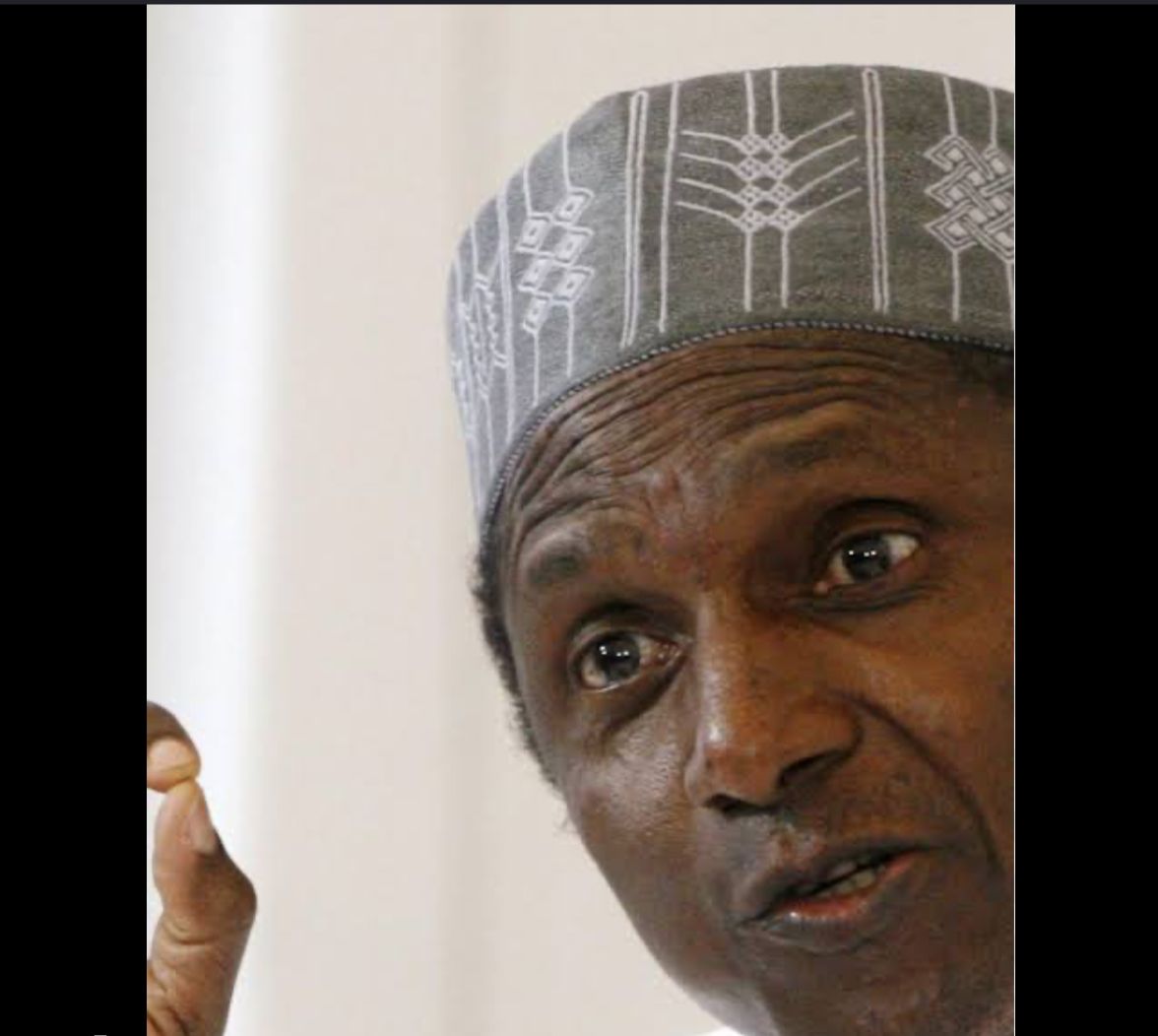
The late Umaru Musa Yar’Adua was born on August 16, 1951, in Katsina. His life was defined by education, calm leadership, and an unwavering commitment to public service—qualities that continue to resonate in Nigeria’s democratic journey.
Yar’Adua began his early education at Rafukka Primary School before proceeding to Dutsinma and later attending Government College, Keffi, as well as the prestigious Barewa College. He furthered his studies at Ahmadu Bello University, where he earned a degree in Education and Chemistry, followed by a master’s degree. His professional journey began in the classroom, where he served as a teacher in Lagos and Zaria, shaping young minds before transitioning into public life.
His political career was marked by resilience. After an unsuccessful bid for the governorship of Katsina State in 1991, Yar’Adua remained steadfast. In 1999, he emerged victorious as governor under the People’s Democratic Party (PDP), and his performance earned him re-election in 2003. His leadership style—rooted in patience and integrity—distinguished him among his peers.
In 2007, Yar’Adua ascended to Nigeria’s highest office, succeeding Olusegun Obasanjo as President. Despite a tenure cut short by illness, his administration introduced the ambitious Seven-Point Agenda, focusing on critical sectors such as power, security, education, agriculture, infrastructure, economic reform, and the oil and gas industry.
He stood out for his commitment to transparency and accountability. Notably, he openly declared his assets—setting a precedent in Nigerian leadership—and supported anti-corruption institutions like the Economic and Financial Crimes Commission (EFCC).
In agriculture, he prioritized food security and rural development, while in security, he pursued dialogue to address unrest in the Niger Delta. His administration also laid groundwork for economic reforms aimed at fiscal discipline and attracting foreign investment.
However, his time in office faced challenges, including persistent power shortages, security concerns, and the incomplete execution of key reforms due to his declining health.
On May 5, 2010, Nigeria lost a leader widely regarded as modest, principled, and sincere. Yet, his legacy endures as a model of leadership anchored in service rather than power.
As Nigeria continues to navigate its democratic path, Yar’Adua’s life raises a vital question:
Do today’s leaders view leadership as a responsibility to serve the people, or merely as a position to hold?
— Brown Pigeon News Editorial Desk