

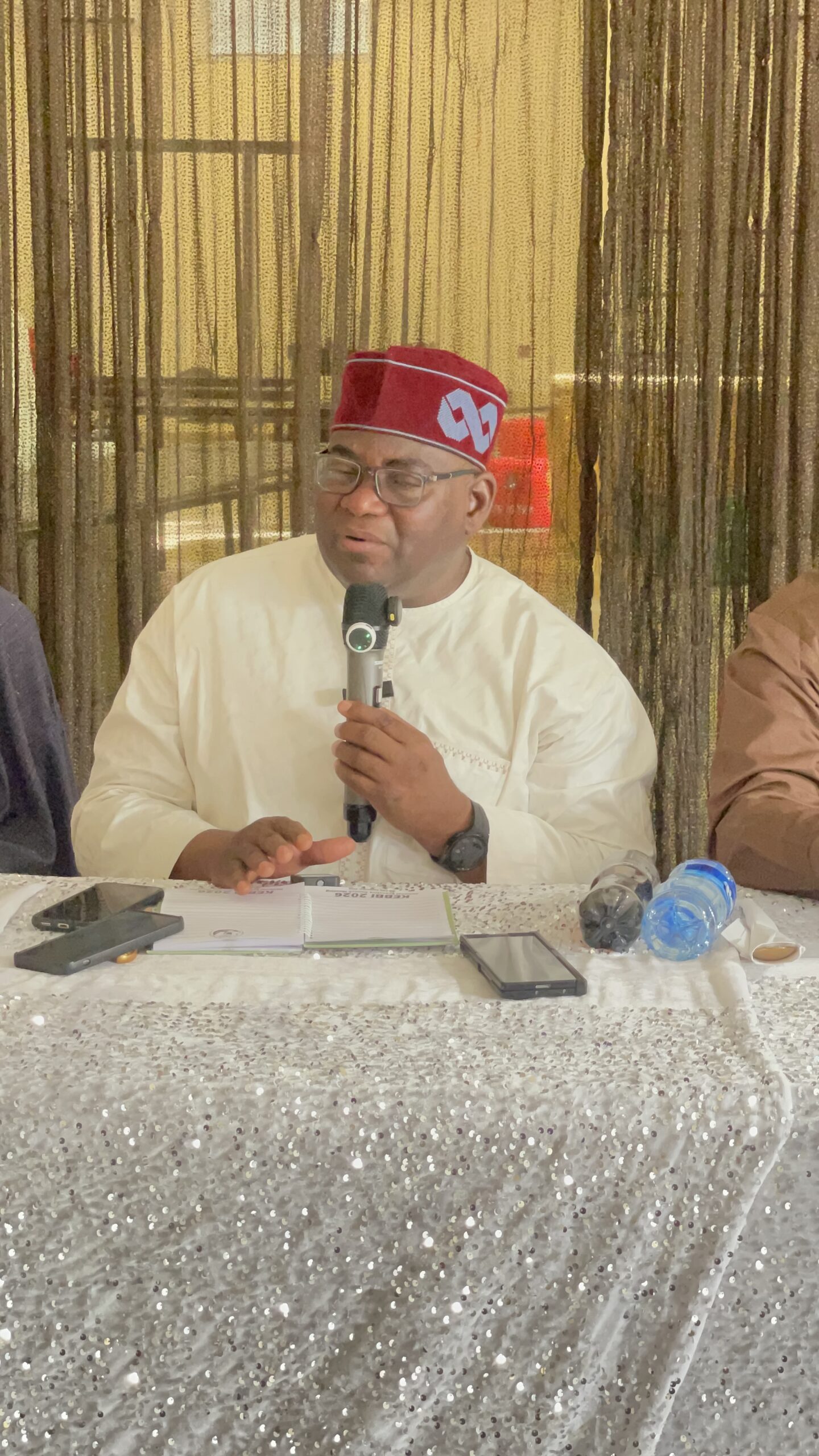

By Abdu Saidu
The Kano State Commissioner for Information and Internal Affairs, Comrade Ibrahim Abdullahi Waiya, PhD, has continued to draw attention in Nigeria’s public communication sector through his engagements with the media, efforts to expand digital communication and initiatives to improve public access to government information.
His activities have raised his profile among Information Commissioners across Nigeria’s 36 states, particularly in media relations, digital communication and the dissemination of public information.
A major initiative associated with his leadership is the establishment of a Digital Multimedia Department within the ministry. The department is designed to strengthen the documentation of government activities and improve the dissemination of information through digital platforms.
In June 2026, Waiya met with broadcast commentators in Kano to discuss ways of improving public information and strengthening relations between government institutions and the media. The engagement highlighted the importance of professionalism, accuracy and responsible communication in public discourse.
In August 2026, media reports indicated that he received an award for crisis communication at the National Spokespersons Awards in Abuja. The recognition brought further attention to his communication activities and the role of timely, accurate information in addressing sensitive public issues.
Across Nigeria’s 36 states, Information Commissioners serve as important links between government institutions, the media and the public. Waiya’s activities have highlighted the role of regular media engagement, digital platforms and strategic communication in keeping citizens informed about government policies and programmes.
Through radio, television, digital media and direct engagement with stakeholders, the Kano State Ministry of Information and Internal Affairs communicates government activities to residents across the state’s 44 local government areas.
For Waiya’s supporters, these initiatives reflect a commitment to improving government communication and making information about policies and programmes more accessible. Their broader impact will ultimately depend on how effectively they translate into greater public awareness, transparency, responsiveness and access to reliable information.
Ultimately, effective government communication is about more than visibility and public engagements. Its real value lies in ensuring that citizens receive accurate information, understand government policies and have meaningful opportunities to engage with the institutions responsible for governance.