
By Sufyan Lawal Kabo (Sefjamil)
For years, I have wondered why Kano, Nigeria’s commercial capital in the North and one of West Africa’s busiest trading centres, never established a state owned airline. Considering the enormous movement of traders, pilgrims, investors and business people through Kano, this idea should perhaps have come over 50 years ago. The success once recorded by Kano Line clearly demonstrated Kano’s huge transportation potential.
I therefore commend Governor Abba Kabir Yusuf for bringing this vision to life. Interestingly, years ago, Senator Barau I. Jibrin also advocated expanding Kano’s aviation sector, including the proposal for an airport in Kano North. Such ideas only come from leaders who think beyond today’s challenges and prepare for tomorrow’s economy.
Those raising safety concerns should understand that modern airlines are not run by politicians or civil servants. Around the world, governments may own airlines, but qualified aviation professionals manage them under strict safety regulations.
Ibom Air, owned by the Akwa Ibom State Government, provides an excellent Nigerian example. In 2024, the airline reportedly generated about ₦96 billion in revenue, recorded over ₦16 billion in operating profit, and approximately ₦6.8 billion in net profit, demonstrating that a professionally managed state owned airline can succeed.
I have personally flown Ibom Air and can confidently say it remains one of the best domestic airlines I have used.
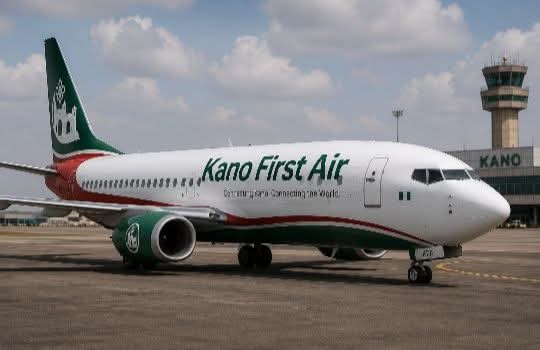
If Ibom Air can achieve this despite serving a state with an estimated population of about 7 to 8 million people, imagine the potential of a Kano First Air. Kano is Nigeria’s most populous state, with an estimated population of about 18 to 20 million people, and is widely recognised as the commercial hub of Northern Nigeria.
Beyond its huge population, Kano has one of the country’s largest communities of traders, manufacturers and entrepreneurs who travel frequently across Nigeria and internationally. When combined with passengers from neighbouring states and international travellers using Kano as a gateway, it is reasonable to project that a professionally managed Kano First Air could generate between ₦180 billion and ₦250 billion in annual revenue within its first few years of stable operations, with significant room for further growth as the airline expands its fleet, destinations and international routes.

Globally, government backed airlines such as Emirates (UAE), Ethiopian Airlines, Qatar Airways and Singapore Airlines have become major sources of revenue, employment, tourism and national pride. Aviation is an economic investment, not merely a transportation service.
KANO FIRST Air can equally transform Kano. Beyond ticket sales, it can generate income through cargo services, aircraft maintenance, logistics, tourism and other aviation related businesses while creating thousands of direct and indirect jobs. More airlines also mean more competition, better services and, in many cases, lower air fares for passengers.
The initiative can also inspire Kano’s wealthy investors to look beyond traditional trading and importation into modern industries. Air Peace has shown that a Nigerian owned airline can grow from domestic operations to international routes. Kano has the financial capacity and entrepreneurial strength to produce even more aviation investors if the right environment is created.
Of course, KANO FIRST Air must be professionally managed, transparent and commercially driven. If that is done, it can strengthen Kano’s position as Northern Nigeria’s commercial gateway, attract more investment, boost tourism and enhance the state’s Internally Generated Revenue.
Governor Abba Kabir Yusuf deserves sincere commendation for this bold vision, alongside the many developmental projects currently ongoing across Kano State. Great societies are built by leaders who dare to think ahead. KANO FIRST Air is not just about owning aircraft; it is about giving Kano’s economy a new altitude.
The biggest mistake Governor Abba Kabir Yusuf may ever make is allowing fear and uninformed criticism to stop the establishment of KANO FIRST Air.