
By Brown Pigeon Media
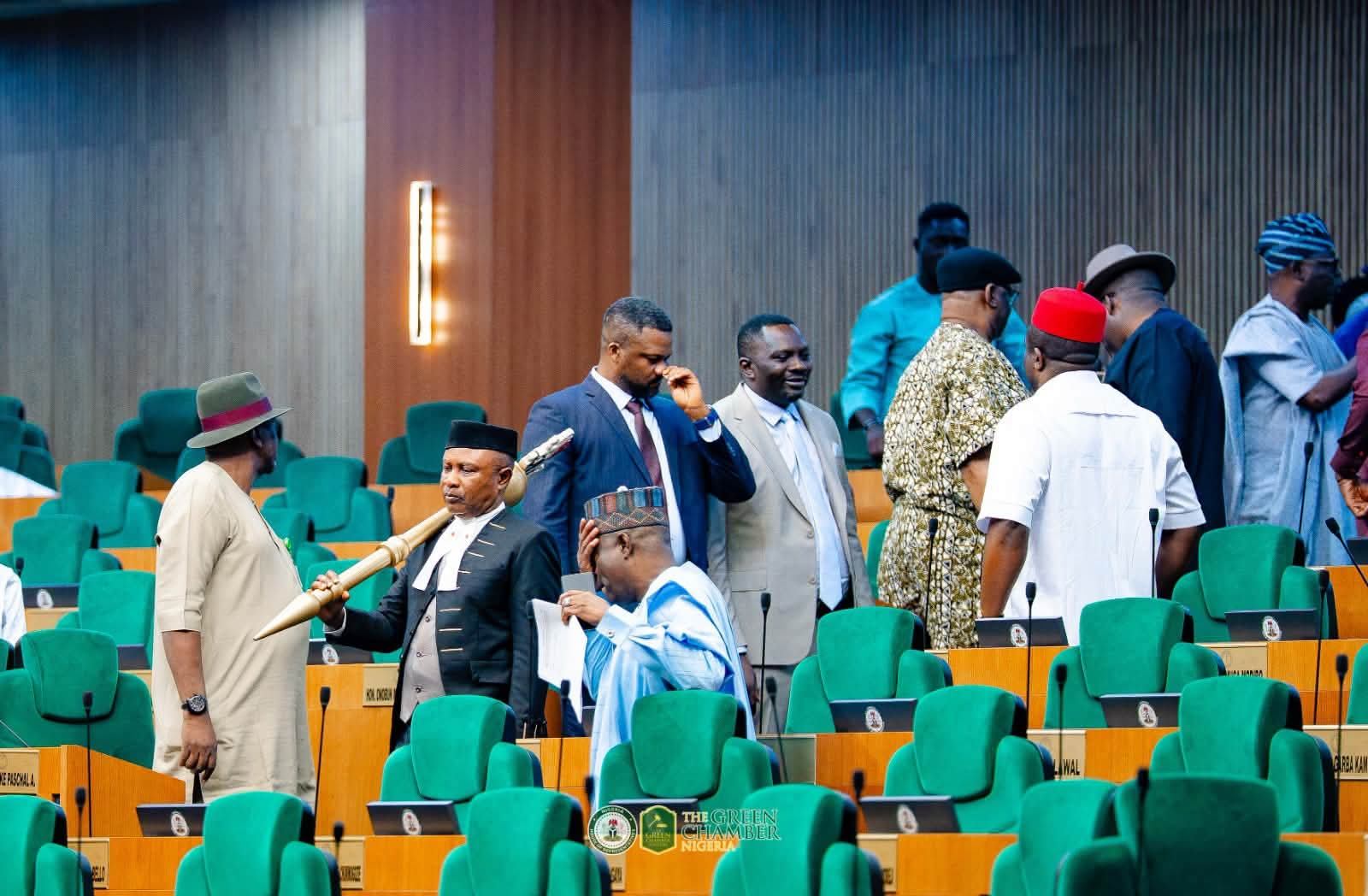
The House of Representatives on Tuesday resumed legislative activities following the successful conclusion of the National Assembly Open Week 2026, with lawmakers considering a wide range of issues aimed at improving governance, public welfare, and national development.
Presiding over the plenary, the Speaker of the House of Representatives, Rt. Hon. Abbas Tajudeen, led members in deliberating on several motions, bills, committee reports, and public petitions.
Among the major resolutions adopted was a call for stronger food safety regulations to curb the growing incidence of food-borne diseases across Nigeria. The House urged increased funding for food testing facilities, improved training and certification of food handlers, and legislative reforms to strengthen food safety oversight nationwide.
The lawmakers also resolved to investigate the impact of xenophobic attacks against Nigerians in South Africa, including casualties, destruction of property, and abandoned investments. Relevant committees were mandated to recommend measures to enhance the protection of Nigerians abroad through diplomatic and legal channels.
In a move to promote transparency, the House called for a comprehensive audit of forfeited and recovered public assets across the country. It also proposed the establishment of a central digital asset registry to improve accountability in the management of recovered assets.
On environmental protection, lawmakers urged the Federal Government to deploy the Ecological Fund for shoreline protection and erosion control at the Bayelsa Industrial Park in Gbarain, safeguarding key industrial investments from environmental degradation.
The House further urged the National Assembly Management to implement mandatory health insurance coverage for lawmakers, their families, dependants, and legislative aides in line with the National Health Insurance Authority Act, 2022.
Responding to the recent flooding and windstorm in Gashua, Yobe State, the House called on the Federal Ministry of Humanitarian Affairs, Disaster Management and Social Development, in collaboration with the Yobe State Government, to provide emergency relief materials, temporary shelter, psychosocial support, and assistance for rebuilding affected communities.
Legislative Progress
As part of its legislative responsibilities, the House passed six strategic bills at Third Reading, including a bill seeking to amend the Niger Delta Development Commission (NDDC) Act to include Anambra State as an oil-producing state under the Commission’s framework.
Four additional bills successfully scaled Second Reading and were referred to relevant standing committees for further legislative scrutiny, while nine new bills, including a proposed amendment to the Fiscal Responsibility Act, received First Reading.
Committee Reports and Public Petitions
The House also received four public petitions from citizens seeking legislative intervention on various matters.
Notably, lawmakers received the report of the Committee on Constitution Review on the proposed Constitution Alteration Bill on State Police, alongside six other committee reports.
During the Committee of Supply session, the House adopted the report of the Committee on Police Affairs on the proposed ₦170.1 billion 2025 budget and ₦234 billion 2026 budget of the Nigeria Police Trust Fund.
The House also approved the report on the bill establishing the Nigerian Mining Development Bank, alongside reports on five other bills.
The day’s proceedings underscored the House of Representatives’ commitment to responsive legislation, effective oversight, constitutional reforms, and policies aimed at strengthening public institutions, promoting accountability, and improving the welfare of Nigerians.