

The Federal Government has announced a major reform of Nigeria’s education system, scrapping the Junior Secondary School (JSS) and Senior Secondary School (SSS) structure in favour of a compulsory 12-year uninterrupted basic education programme.
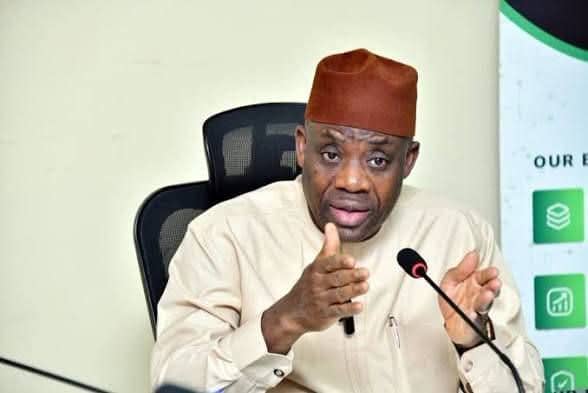
The announcement was made on Tuesday by the Minister of Education, Dr. Maruf Tunji Alausa, during the inauguration of the Universal Basic Education Commission (UBEC) Ministerial Implementation and Monitoring Committee in Abuja.
According to the minister, the reform is designed to improve access to education, reduce the number of out-of-school children, and ensure that every Nigerian child receives 12 years of continuous, quality education before advancing to tertiary institutions or vocational training.

Dr. Alausa explained that the new system will eliminate the transition between junior and senior secondary school, a stage he said has contributed to high dropout rates across the country.
He added that the new model will provide a seamless learning experience, strengthen foundational and vocational skills, improve student retention, and align Nigeria’s education system with international best practices.
Under the previous 6-3-3-4 structure, introduced in 1982, students spent six years in primary school, three years in junior secondary school, three years in senior secondary school, and four years in tertiary education. The new policy merges the JSS and SSS stages into a single 12-year compulsory basic education programme.
The Federal Government said implementation of the reform will include curriculum review, teacher training, administrative adjustments, and close collaboration with state governments and other stakeholders.
Education stakeholders are expected to monitor the implementation closely as the government aims to improve learning outcomes and expand access to quality education for millions of Nigerian children.