

…A Grand Showdown That May Redefine the Equation in the Ministry of Information
By Shariff Aminu Ahlan
Politics in modern democracy is far more than a contest for power. It is an arena of strategy, loyalty, negotiation, sacrifice, influence, and, above all, a test of competence. It is a space where individuals are constantly measured by their ability to perform, innovate, and justify the confidence reposed in them by the people and the leadership they serve.
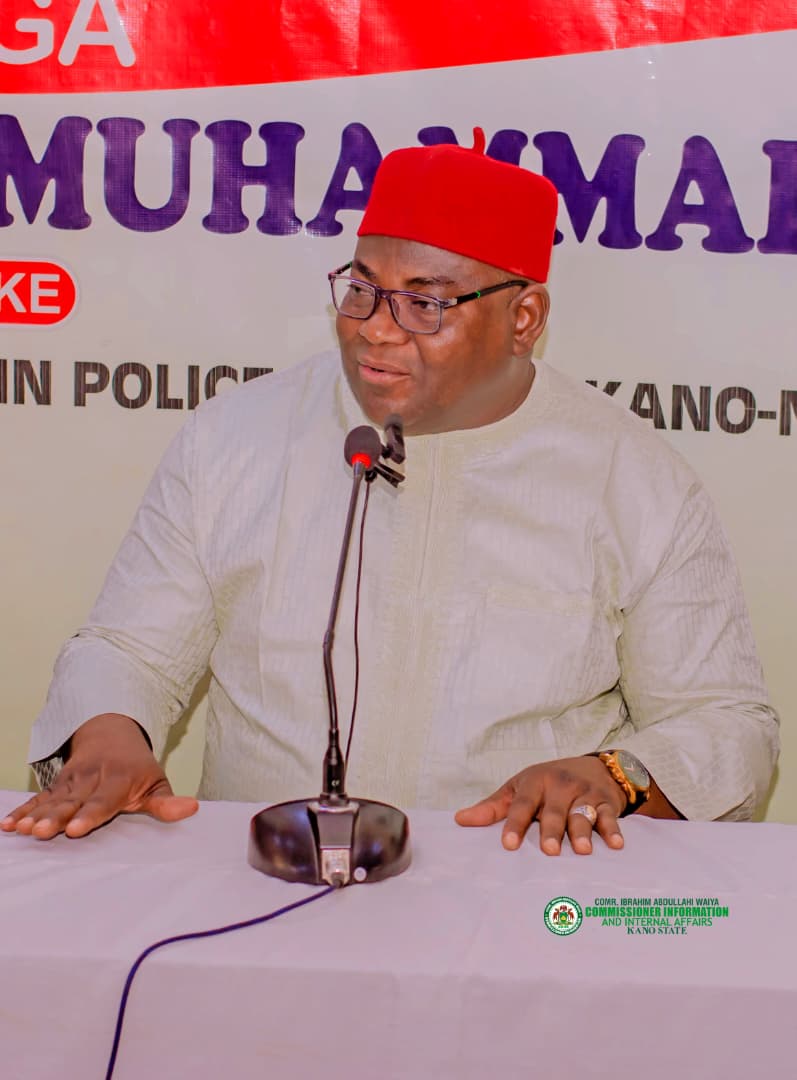
That is precisely the scenario currently unfolding within the political landscape of Kano State, where one of the administration’s most celebrated performers, Commissioner for Information and Internal Affairs, Ibrahim Waiya, finds himself at the center of a growing debate over leadership, competence, and performance. For over a year and a half, Waiya has emerged as one of the most visible and talked-about members of the state executive council. Through innovative communication strategies, public engagement initiatives, policy advocacy, and effective dissemination of government activities, he has transformed the Ministry of Information into one of the most vibrant and active ministries in the state.
His achievements have attracted widespread commendation from political observers, media practitioners, civil society organizations, and ordinary citizens who have witnessed a remarkable shift in the ministry’s operations. Under his stewardship, the ministry has become more proactive, responsive, and visible than ever before. Yet, despite these undeniable accomplishments, a new debate has emerged.
The discussion revolves around a possible comparison between Waiya and his predecessor, Muhammad Garba, who occupied the same position for eight years during the previous administration. Supporters of Garba argue that his extensive experience, professional background, and long tenure in office provide him with an advantage and make him a suitable candidate for any future leadership role within the ministry.
On the other hand, supporters of Waiya point to one undeniable reality: performance. They argue that leadership should not be judged merely by years spent in office but by the impact created within that period. They maintain that Waiya’s relatively short tenure has produced results that have captured public attention and earned him the status of the “rave of the moment.”
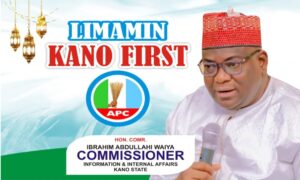
This is what makes the debate both fascinating and necessary. On one side stands Muhammad Garba, armed with eight years of experience, institutional knowledge, and professional credentials accumulated over nearly a decade at the helm of the ministry.
On the other side stands Ibrahim Waiya, a youthful, energetic, and result-driven commissioner whose innovative approach has brought a fresh perspective to government communication and public engagement.
Indeed, this is shaping up to be a battle between experience and momentum. A battle between a seasoned political heavyweight and a rapidly rising star whose performance has become the subject of widespread discussion across the state.
The real beauty of such a debate lies not in personal rivalry but in the opportunity it presents for intellectual engagement and policy evaluation. A public exchange of ideas would provide both men with the platform to articulate their visions, defend their records, and present their plans for the future of the ministry.
Such an engagement would allow the people to objectively assess who possesses the clearer vision, stronger strategy, and greater capacity to support Governor Abba Kabir Yusuf’s administration in communicating its achievements and advancing its developmental agenda.
For Ibrahim Waiya, the debate presents an opportunity to further justify the growing admiration he enjoys across the state. It offers him a stage to showcase the reforms, innovations, and achievements that have transformed the ministry and elevated its public image within a relatively short period. More importantly, it would provide a platform for him to demonstrate that effective leadership is not merely a product of longevity in office but of vision, courage, creativity, and measurable results.
For Muhammad Garba, it would be an opportunity to remind the public of his contributions during his tenure and to defend the experience that many of his supporters continue to celebrate. Ultimately, the greatest beneficiaries of such a contest would be the people of Kano State. They deserve to hear competing ideas, compare records, and evaluate performance based on facts rather than sentiment.
The question therefore remains: Are both men prepared for a genuine battle of ideas? Are they willing to subject their records, achievements, visions, and leadership philosophies to public scrutiny?
Can Muhammad Garba successfully challenge the momentum of Ibrahim Waiya, the current rave of the moment? Or will Waiya’s remarkable performance record further strengthen his growing reputation as one of the most effective commissioners in the present administration?
As Kano’s political landscape gradually begins to shape the calculations and alignments ahead of 2027, these questions will continue to generate curiosity among observers and stakeholders alike.
For now, the stage appears set.
The public is watching.
And the political arena awaits what could become one of the most intriguing intellectual contests in the history of Kano’s Ministry of Information.
Let the battle of ideas begin.
Shariff Aminu Ahlan
APC Intellectual Warrior.
Realahlan0101@gmail.com