

By Comrade Najeeb Nasir Ibrahim
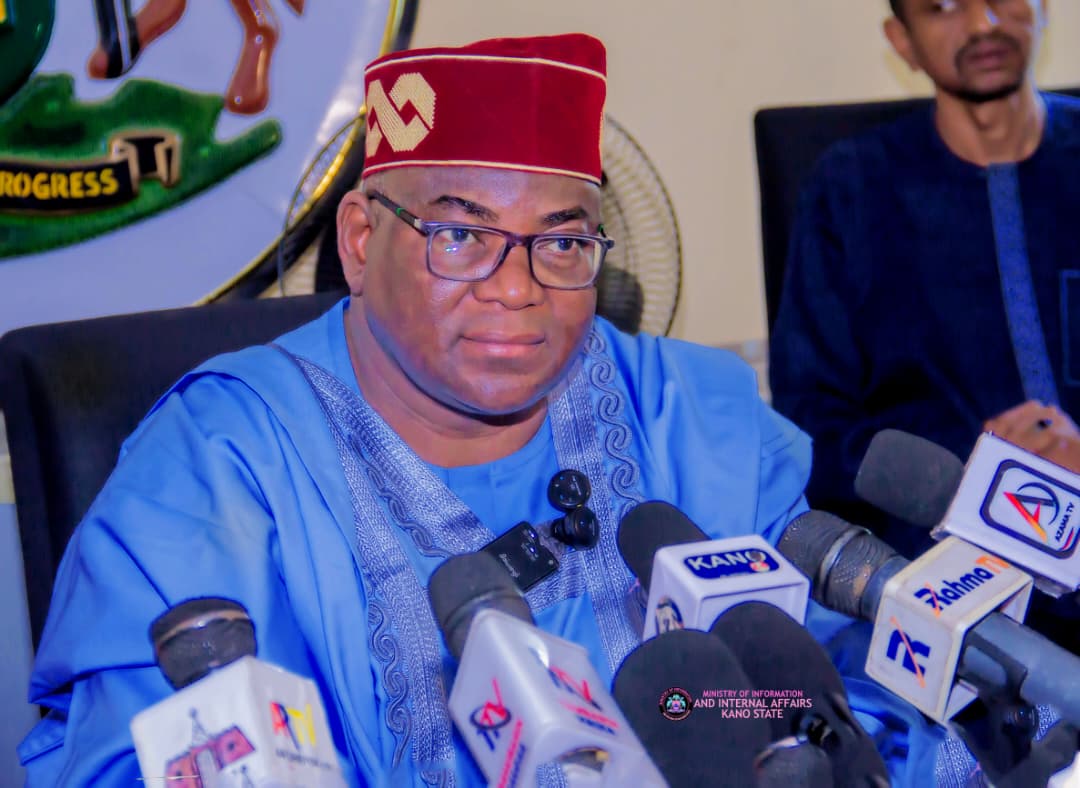
In the ever-evolving landscape of Nigerian politics, effective communication and grassroots mobilisation remain two of the most important tools for connecting leaders with the people. In Kano State, one name that continues to attract attention for his role in public communication and grassroots engagement is Comrade Ibrahim Abdullahi Waiya.
Waiya has increasingly positioned himself as a strong communicator, public advocate and grassroots mobiliser whose political engagement reflects support for the leadership vision of Kano State Governor, Alhaji Abba Kabir Yusuf, and President Bola Ahmed Tinubu at the federal level.
His approach goes beyond political rhetoric. Through public engagements, advocacy, interaction with communities and communication with stakeholders, Waiya has demonstrated an understanding that leadership is not only about policies and programmes, but also about how effectively those policies are communicated to ordinary citizens.
A Voice for Governor Abba Kabir Yusuf
In Kano, Waiya has emerged as one of the voices communicating and defending the policies and programmes of Governor Abba Kabir Yusuf. His communication style focuses on taking government activities closer to the people and ensuring that citizens understand the direction of the administration.
As a communicator, his role is particularly significant in an era where misinformation and political propaganda can easily shape public opinion. Waiya has continued to use his platform to highlight issues, respond to public concerns and communicate what he believes to be the achievements and priorities of the Kano State Government.
His grassroots orientation also gives him an advantage: he understands that politics is not limited to government offices or political meetings. It is equally about listening to communities, understanding their concerns and maintaining direct contact with the people.
Connecting the Grassroots with Tinubu’s Administration
At the national level, Waiya’s political communication also reflects support for President Bola Ahmed Tinubu and his administration.
The Federal Government’s reforms and policies have generated extensive public discussion, making effective communication increasingly important. Supporters of the administration require communicators who can explain government policies in ways that ordinary citizens can understand while also engaging communities on their expectations and concerns.
Waiya’s grassroots mobilisation therefore places him in a strategic position: connecting political leadership, party structures, community stakeholders and citizens through communication and engagement.
More Than a Communicator
The strength of Waiya’s political relevance lies not only in what he says, but also in his ability to engage with people at the grassroots.
A successful grassroots mobiliser must understand the language of the people, their priorities and the realities affecting their daily lives. He must be able to translate political messages into issues that communities can relate to.
That is where Waiya’s role becomes particularly important.
Whether discussing governance in Kano or national politics under President Tinubu, his public engagement demonstrates the importance of having communicators who can take political conversations beyond the elites and into communities.
A Political Bridge
Waiya can therefore be described as part of a new generation of political communicators who understand that modern politics requires both media visibility and grassroots presence.
His support for Governor Abba Kabir Yusuf and President Bola Ahmed Tinubu reflects a broader political philosophy centred on communication, mobilisation and engagement with the people.
At a time when political narratives are rapidly changing, the ability to communicate effectively, defend policies, mobilise supporters and remain connected to the grassroots can make a significant difference.
For Waiya, the journey appears to be about more than holding a political position. It is about using communication as a bridge between leadership and the people.