
Khadijah Shehu Abdulkareem
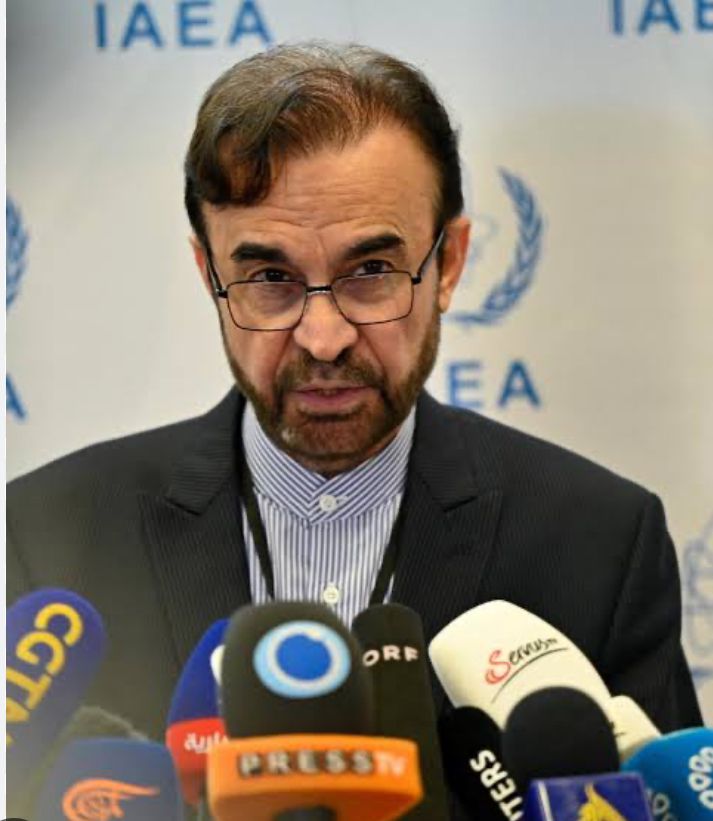
Tehran will hold nuclear talks with France, Britain, and Germany on Tuesday in Geneva, marking the second round of discussions since Iran’s 12-day war with Israel in June derailed negotiations with Washington.
The European partners have warned that they could trigger UN sanctions unless Iran restores cooperation with the International Atomic Energy Agency (IAEA) and agrees to curb its uranium enrichment program.
Background to the Stalemate
The Geneva meeting follows a first round of talks in Istanbul on July 25. During the June conflict, the United States carried out strikes on Iranian nuclear facilities, prompting Tehran to suspend cooperation with the UN nuclear watchdog. Iran has accused the IAEA of failing to condemn Israeli and US attacks on its facilities.
The unprecedented Israeli bombing and Iran’s retaliation during the 12-day war forced the suspension of Tehran’s direct nuclear negotiations with Washington.
Snapback Threat
Britain, France, and Germany — the so-called E3 — have warned they may invoke the “snapback mechanism” under the 2015 Joint Comprehensive Plan of Action (JCPOA). This clause would automatically reimpose UN sanctions that were lifted when the nuclear deal was first signed.
Iran, however, disputes the legality of such a move, accusing the Europeans of failing to uphold their own commitments under the accord.
The JCPOA was signed in 2015 between Iran and six world powers — Britain, France, Germany, the United States, Russia, and China — to limit Tehran’s nuclear activities in exchange for sanctions relief.
The outcome of Tuesday’s meeting will be closely watched as tensions remain high and the risk of a renewed sanctions regime looms over Iran’s fragile economy.