

Khadijah Shehu Abdulkareem
After more than two years of brutal fighting, residents of Sudan’s capital, Khartoum, are slowly returning home. But they are coming back to a city in ruins, with destroyed infrastructure and homes that will take years—and billions of dollars—to rebuild.
The war between the Sudanese army and the paramilitary Rapid Support Forces (RSF), which began in April 2023, turned Khartoum into the epicenter of the conflict. Families who fled the violence are now trickling back, only to find their homes looted, burned, or reduced to rubble.
“We lost precious belongings we had for years,” said Afaf al-Tayeb, a resident who returned to the Al-Qawz district in June. “We had gold, new food mixers, clothes—everything was taken. They left us with nothing but the clothes we wear and wash every day.”
Her son, Mohamed al-Khedr, pointed to the wreckage of their house:
“A shell hit the house and burned everything. What you see now is all that’s left.”
A City Without Power
Officials say Khartoum’s infrastructure has been almost completely destroyed.
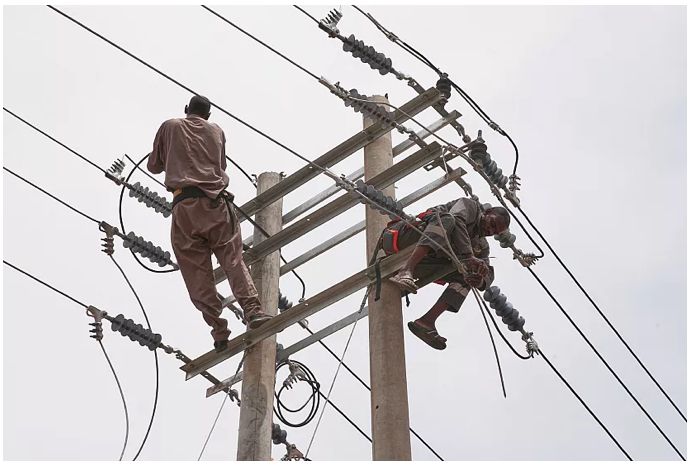
“The destruction has wiped out the entire electricity network,” said Altayeb Saad al-Din, a spokesperson for Khartoum province. “More than seven or eight major substations were damaged or looted, along with neighborhood transformers. The city is in darkness.”
Millions Returning, Billions Needed
The United Nations estimates that 2 million people could return to Khartoum by the end of this year, but rebuilding will cost billions of dollars. Across Sudan, more than 12 million people have been displaced since the war began, and at least 40,000 lives have been lost.
Despite the devastation, many residents say they have no choice but to return. For them, it is not just about rebuilding homes, but about reclaiming their lives after years of loss.