

Asmau Uba Muhammad
Lagos state authorities last month imposed a ban on single-use plastics, but residents say weak enforcement and the absence of alternatives have weakened its effectiveness.
Under the law effective from July 1, the use of single-use plastics such as styrofoam packs, cutlery, plates, and straws is banned, and offenders risk their businesses being shut down.
The ban is far from being fully implemented, as some shops still display Styrofoam packs on their shelves.
Also the use of other forms of plastics, which make up a smaller percentage of the city’s waste, are still in use.
Omoh Alokwe, co-founder of Street Waste Company says more needs to be done to change peoples attitudes to waste as well as their behaviour.
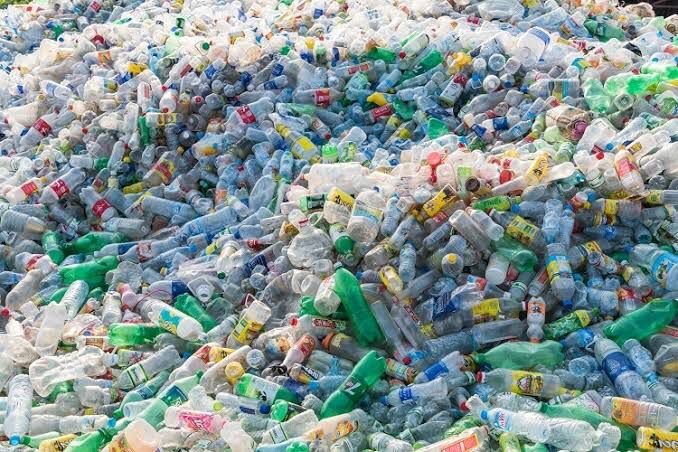
“Lagos actually generates over 2,500 tons of plastic waste daily. And for it to be eradicated, it takes behavioural change, starting from post-consumers and how well they are able to sort out their waste,’ says Omoh Alokwe.
In Geneva this week, countries including Nigeria are negotiating a treaty to end plastic pollution.
Talks broke down last year, with oil-producing countries opposed to any limits on plastic production.
In large part, plastics are made from fossil fuels like oil and gas.
Lagos officials say Lagos each resident averages 34 kg of waste annually.
In the absence of a proper waste management system, most of it ends up in waterways, clogging canals, polluting beaches, and contributing to devastating floods.
In his statement Alokwe believes many people are oblivious of the long term damage plastics do.
“Plastic pollution I would say is everywhere. If you look at every corners you have, you tend to see plastic. And, I would say especially for single-use plastic, single-use plastic are just used by an individual for an average of 12 minutes and after which he or she disposes of that plastic. So, just imagine our population size globally, even nationally and if each individual uses that single-use plastic, you could imagine the amount of pollution that this is going to amount up to,” she says.
Alokwe believes change should start with the manufacturers of single use plastics, to ensure easily recyclable products leave factory gates.
In fixing the global plastic pollution crisis, organizations, producers need to put into consideration the recyclability of that material. Holding right here is a clear bottle, which is very easy to recycle. However, compared to this bottle, which is also a pet (polyethylene terephthalate) bottle, but it is quite difficult to recycle. And also I’ll say the recyclability of the plastic is important in fixing the global plastic pollution crisis.
Source: African News